
Designing for Every Body: Why Barrier-Free Fashion Is Not Optional
Fashion is commonly celebrated as an international language—one that surpasses borders, identities, and generations. Yet for millions of people, fashion has never truly spoken to them. For those living with disabilities, chronic illnesses, neurodivergence, or sensory sensitivities, getting dressed can be a daily negotiation rather than an act of self-expression. This is where user-friendly fashion proves not just relevant, but even essential.
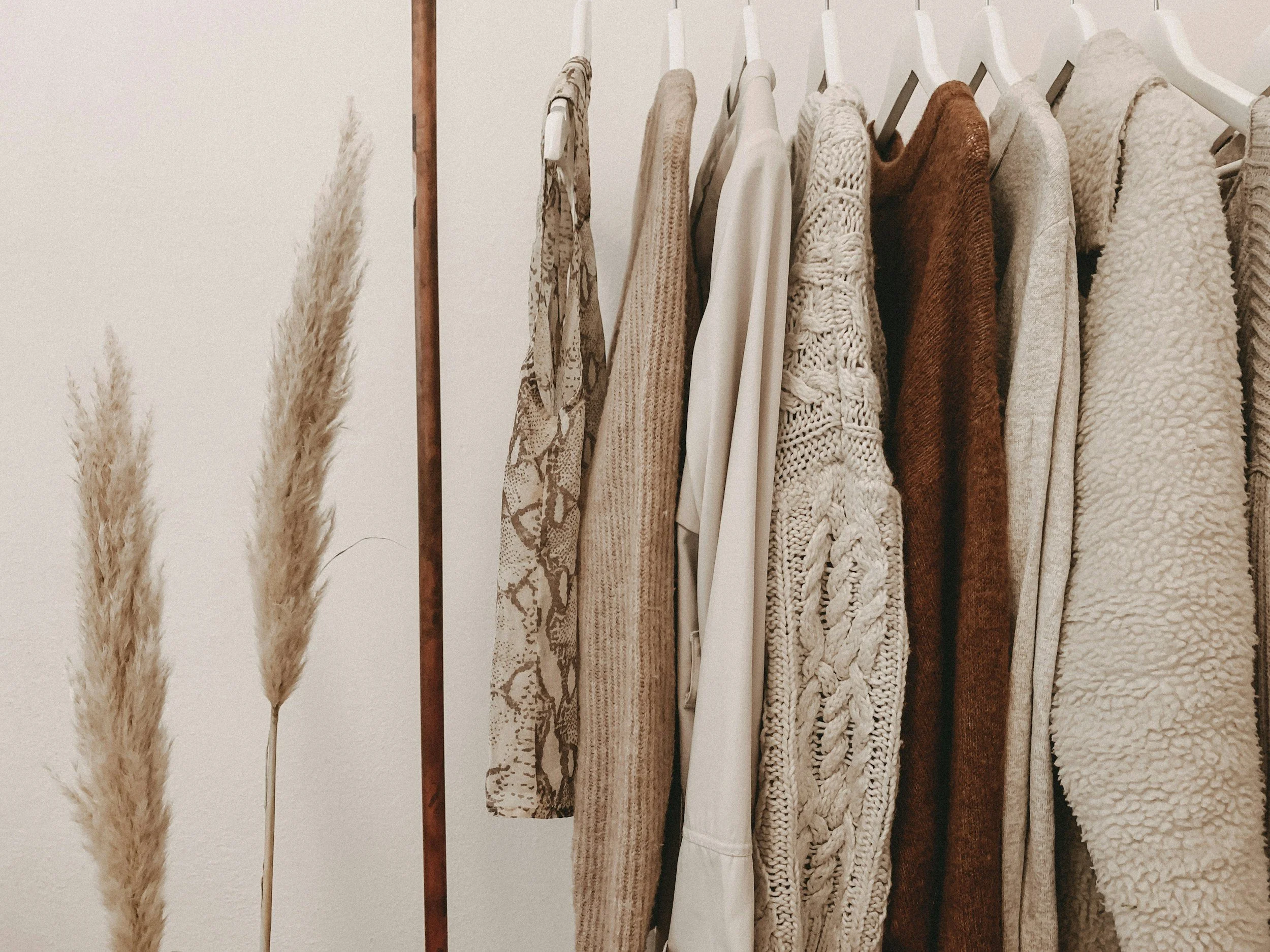
Approachable fashion poses a radical yet simple question: Who is fashion really for? To welcome this notion more fully, consider adopting the motto 'Fashion For Every Body'. This slogan serves as a memorable mantra, encouraging readers to champion inclusion and accessibility in fashion long after they put this page down.
At its core, accessibility in design is about dignity. It recognizes that clothing is not only decorative—it is functional, emotional, and deeply tied to autonomy. When garments are difficult to put on, uncomfortable to wear, or overwhelming to the senses, fashion becomes exclusionary by default. Designing with accessibility in mind restores agency, permitting individuals to choose how they present themselves to the world, free from unnecessary barriers.
Too often, accessibility is treated as a niche concern or a specialized market. In reality, it intersects with almost everybody at some point in life. Consider a simple timeline of common life stages: the temporary injuries of youth, the changes brought by pregnancy, and the inevitable process of aging. These phases, along with mental health conditions and sensory processing differences, are not exceptions; they are part of the human experience. Imagine your future self benefiting from designs that serve these stages. Accessible design does not serve a 'small group.' It aids humanity.
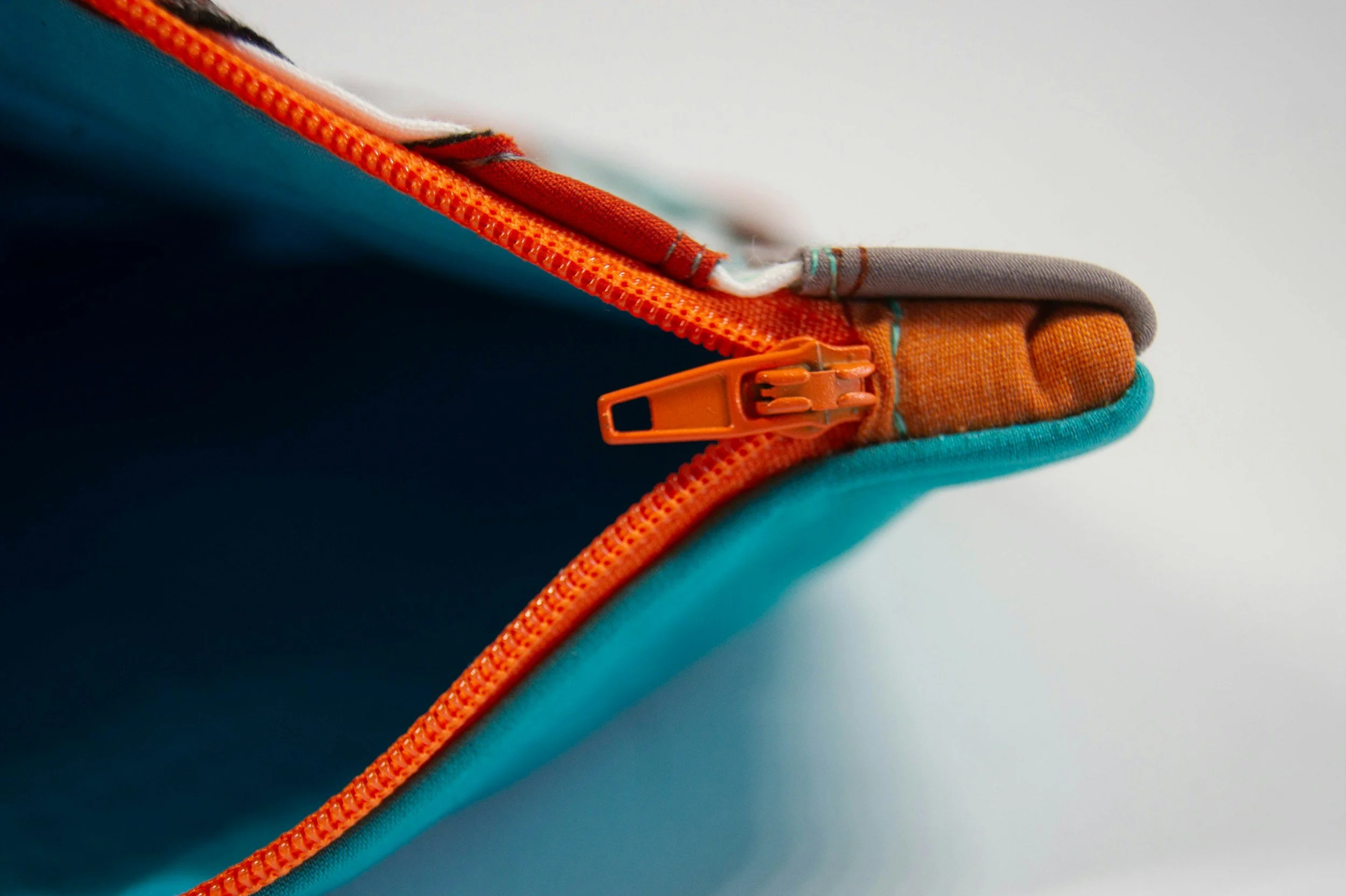
What does barrier-free fashion look like in practice? It can be seen as an invitation to comfort and creativity. Imagine magnetic closures that easily draw garments together, replacing rigid buttons or zippers, offering ease and style with each dressing. Picture seams so soft, they become a soft hug, erasing irritation, and welcoming touch. Think of breathable knits as a whisper of nature against the skin, invigorating and calming at once. Adjustable silhouettes gracefully accommodate mobility aids, medical devices, or changing body needs, offering versatility without compromise. Each element, from clear labeling to intuitive construction, is designed to celebrate comfort, ensuring style is not just preserved but elevated. Accessibility is not about lowering aesthetic standards; it is about expanding them into the realm of sensory gratification.
Designing for accessibility also challenges the fashion industry’s long-standing obsession with a single body type and movement. It pushes designers to rethink assumptions: Who gets to be fashionable? Who gets to be seen? Who gets to feel confident? Real-world cases like model Aaron Rose Philip on the runway show how accessible design challenges and break customary norms, offering visibility to those previously overlooked. Figures such as Jillian Mercado also exemplify this shift, demonstrating how inclusive design reshapes both the product and the culture around it. When accessibility becomes part of the design process from the beginning, rather than as an afterthought, it transforms not just the garments themselves but the entire fashion narrative.
Importantly, barrier-free fashion is not about “fixing” bodies. It is about fixing systems that were never designed to include them. True accessibility happens when designers collaborate directly with disabled and neurodivergent communities, treating lived experience as expertise. These cooperative endeavors move the conversation beyond performative inclusion and head toward significant, lasting change.
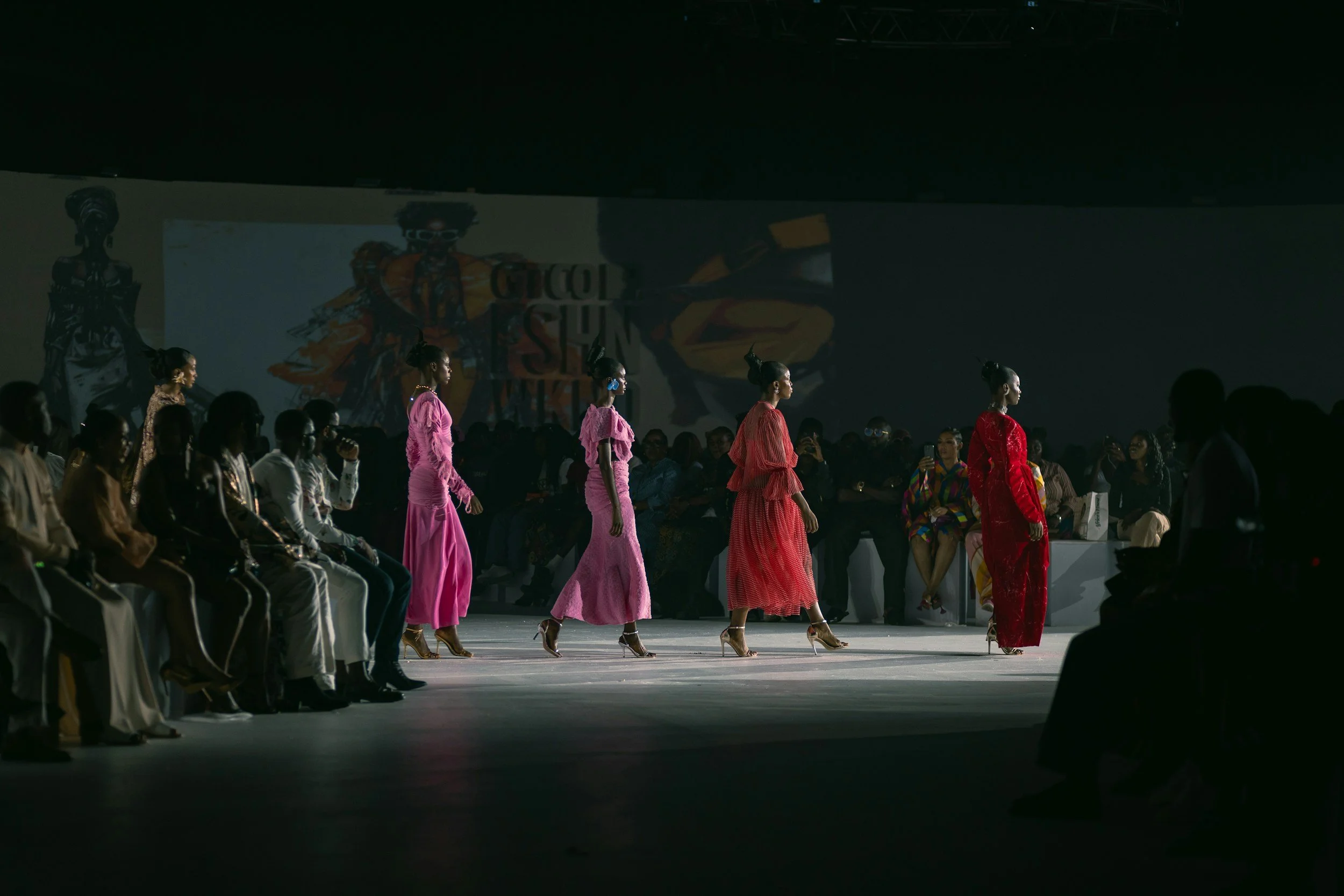
The absence of adapted fashion is not a neutral oversight—it reflects whose needs have historically been prioritized. When runways, stores, and campaigns exclude disabled bodies, they reinforce the idea that fashion belongs only to the non-disabled. Accessible design breaks this story. It insists that style, creativity, and self-expression are not privileges, but rights.
As conversations around sustainability, ethics, and equity continue to shape the future of fashion, accessibility must be part of that foundation. A truly ethical fashion industry cannot exist without it. Moreover, integrating accessibility into design also supports eco-friendly targets by increasing the longevity and flexibility of garments. By prioritizing inclusive design, we align with circular fashion principles, as accessible garments regularly feature adjustable, durable elements that extend their lifespans. This approach not merely meets the Environmental, Social, and Governance (ESG) benchmarks but also gains pragmatic allies pursuing comprehensive, eco-friendly methods. Designing with accessibility in mind is not an act of charity; it is an act of responsibility, creativity, and care.
Fashion, at its best, does more than dress bodies.
It listens to them.
