
Rewriting the Sentence: How One Man Turned a Life Without Parole Into a Life of Purpose
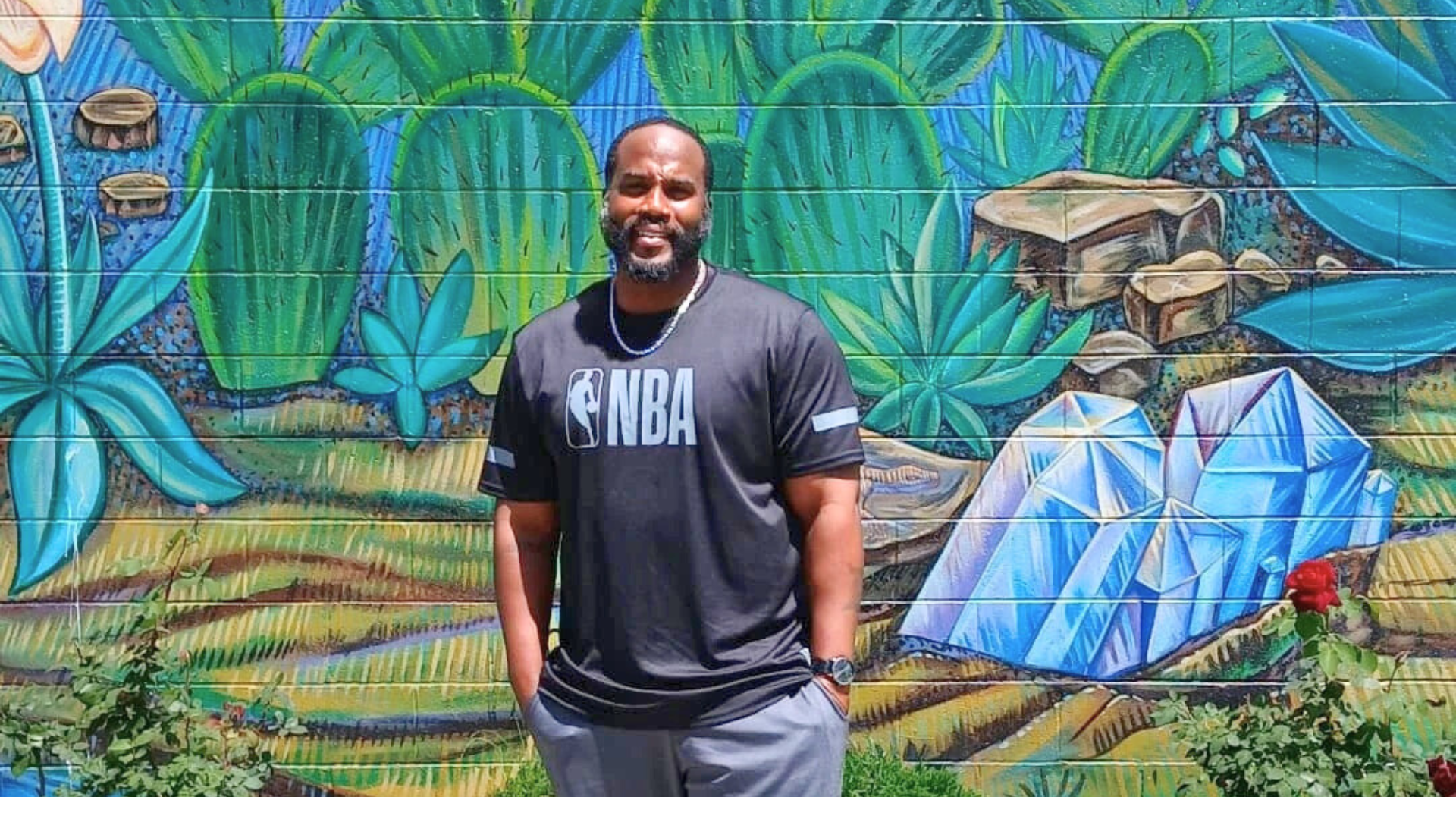
By the time Brandon Jamal Baker walks into a room, his story often arrives first. He spent 25 years in California’s most violent prisons. He received a life-without-parole sentence when he was barely old enough to vote. The number “P94317” once identified him more than his name. Yet all those facts do nothing to prepare you for the person who enters—a figure whose warmth instantly softens the air, whose presence strips away any preconceptions left in the room.
Brandon's warmth is disarming, his gaze both gentle and unwavering. He speaks with a spiritual clarity forged in adversity, his voice inviting you in. He moves with the quiet poise of someone who has lost everything—then rebuilt hope from its ruins.
“I’m a bringer of light,” he told us early in the interview. “I want to be the love I want to see in the world.”
And he says it without performance. Without ego. Without the slightest doubt.
Brandon was born in 1981, into an era that labeled Black children with headlines before they could form sentences. Crack babies. Super predators. Lost generation. Those labels weren’t just rhetoric. They became a lens for judging and sentencing entire communities.
“For so long,” Brandon said, “I was called everything except human.”
In the 1990s, as crime policy hardened, that lens shaped his fate. At 18, he was convicted of home invasion robbery. He was sentenced to life without parole. He later called that sentence “a quiet kind of death.”
His incarceration wasn’t a single misstep. It shows what happens when systems fail long before a crime occurs—when children are raised under suspicion rather than support.
Brandon’s transformation begins in facing that pain honestly, refusing shortcuts or easy stories.
Prison as a Turning Point, Not an Identity
Prison did not break Brandon. It forced him inward.
At New Folsom, one of California’s most violent facilities, he saw things "you wouldn’t do to a dog." The LA County Jail, he recalls, was worse. Eight men in a six-man cell. Rats and roaches. Fights daily. No safety, privacy, or reprieve.
Yet, in the darkest corners of that hopelessness, Brandon began to rebuild—not for permission or approval, but because the burden of his past had become unbearable, and redemption was his only way forward.
“I harmed people...”
“I harmed people,” he said plainly. “And the only way to express real remorse is to make amends.”
Inside those walls, he wrote letters of apology. He joined restorative justice circles. He listened to mothers describe losing children. He donated his entire prison wages—eight cents an hour—to victim support organizations. The shift was not dramatic. It was incremental, slow, and imperfect. In many ways, it was the truest form of accountability.
“You can’t make someone accountable,” he explained. “They have to choose it.”
The choice became the foundation of his second life.
Finding His Voice Through Storytelling
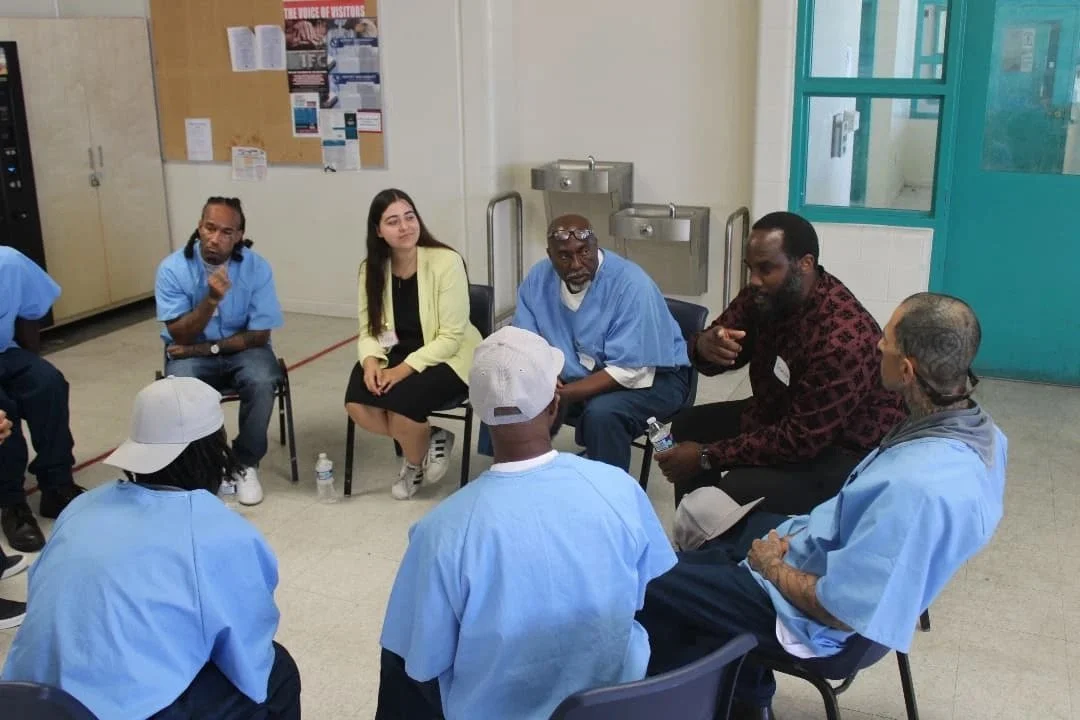
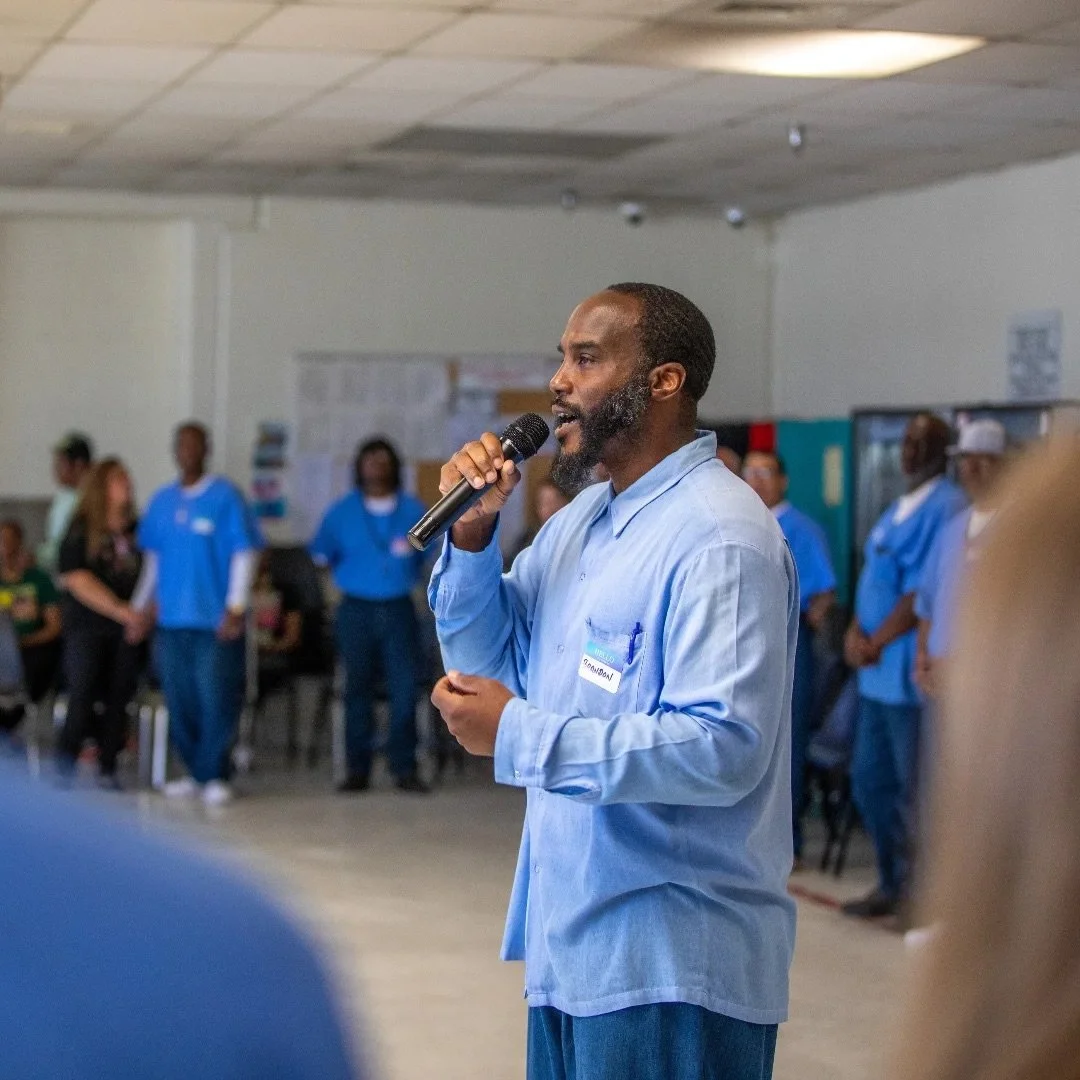
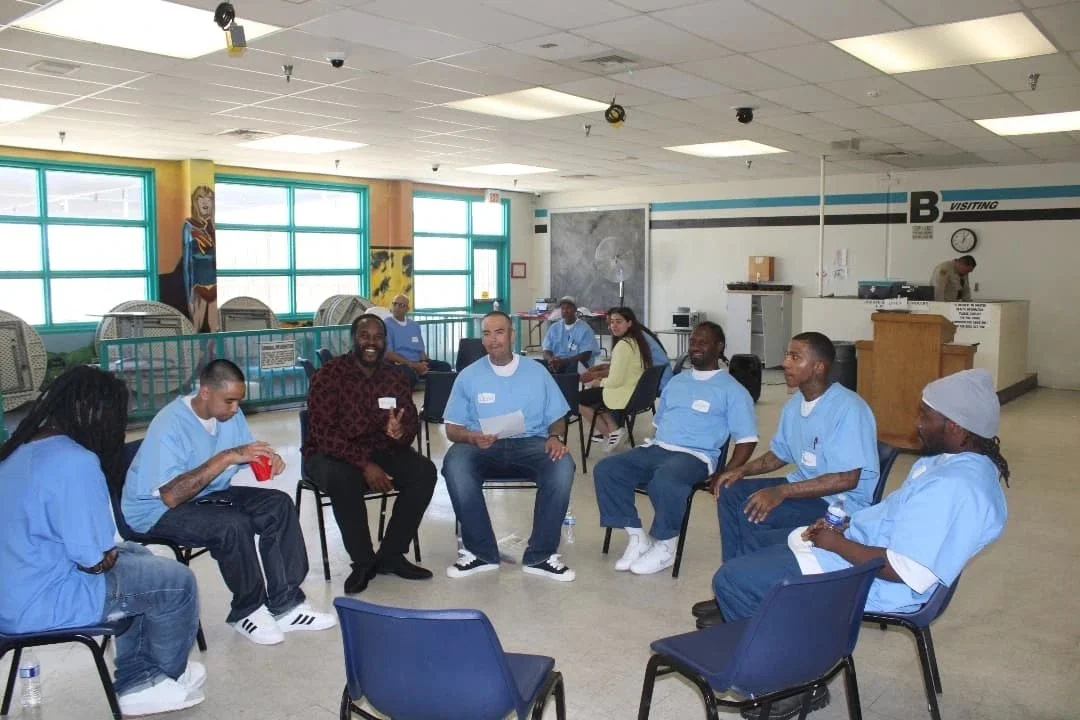
Writing was the tool that allowed Brandon to step beyond the walls, even before he was released.
Through the Prison Journalism Project, he documented the toll of extreme sentencing. He described the loss of community behind bars and the small acts that sustain incarcerated people.
He wrote about grief, violence, memory, and redemption with the clarity of someone who has lived all sides of the story.
His belief is simple but radical:
“We stop looking at differences and start looking for connection.”
“When we tell stories,” he said, “we stop looking at differences and start looking for connection.”
He references Rocky Balboa, biblical parables, and Dr. Gabor Maté with ease. Then he offers personal reflections. His narrative is never self-pitying. It is a quiet, confident testimony. He shows the dual power of truth to harm and heal.
His essays have helped readers understand what many prefer not to confront: people in prison are still people. Capable of harm, yes. But also capable of growth, remorse, and profound transformation. “I’m not your enemy,” he told us. “I’m your brother.” Brandon speaks about criminal justice reform with a clarity that is neither academic nor ideological—it is personal.
“We have to reimagine who we’re talking about when we talk about incarcerated people,” he said. “If you start with the belief that someone is a monster, you’ve already decided they’re beyond saving.” His stance is nuanced. He believes in accountability and does not minimize harm. Yet he rejects the reflex to assume people can’t change.
“I don’t say everyone deserves a second chance,” he said. “I say everyone deserves a chance to earn a second chance.”
He is unwavering on one point: children should never be locked in cages. “No child should be incarcerated. Ever,” he said. “We cannot build adults by breaking kids.” This is not unearned softness. It is discipline. It is a hard-won vision. It is a truth he has lived and bled for.
Brandon returned home not long ago. He still remembers his prison number, but now it echoes as a distant scar—no longer the sum of his being. He now mentors youth, serves at Lake Avenue Church, and helps those returning from prison. He speaks on healing, trauma, and dignity. His spirituality is rooted in service.
“If you want to be great, you have to be small first,” he said, paraphrasing scripture. “You have to be a servant of all.”
He tells stories not to highlight himself, but to show possibilities. He speaks openly about inner-child work, forgiveness, and the slow work of learning self-compassion. And he asks for nothing in return except connection.
“We’re all here because we’re human,” he told us. “We all want to love and be loved.”
The Legacy of a Life Rewritten
Many serve long sentences, few transform them into something generative, and even fewer still return determined to do so. It provides context and invites readers, voters, and policymakers to examine the issue more closely. It provides a compelling argument for the dignity and humanity of all people, regardless of their past. It serves as a reminder that people are not defined by their labels. Not their worst day. Not their sentence.
Most importantly, Brandon's story is a challenge to rethink how we view those who have been incarcerated—and to act accordingly. Redemption, he believes, is not handed down from a judge. It is built through the community. It is nourished through love. And it is sustained through the belief that people can become more than what harmed them.
“I want to be the love I want to see in the world,” he said again as we closed our conversation.
And in every way that matters, he proves it—quietly, insistently, with nothing but love.
