
From “Post It” to “Build With It”: Influencer Marketing in 2026:
For most of the 2010s, fashion’s influencer playbook was simple: find a face with reach, send product, pay for a post, watch the comments roll in, screenshot the engagement, repeat. It worked—until it didn’t.
By 2026, influencer marketing will not have disappeared. It’s grown up. The industry is moving from influence as exposure to influence as infrastructure: creators powering discovery, conversion, customer service, product storytelling, and even retail, often in the same campaign. Vogue’s reporting captures this pivot clearly: one-off pay-to-post deals are losing effectiveness, and brands are shifting toward deeper partnerships where creators function more like long-term collaborators and consultants than rented billboards.
This is what’s changing—and why it matters for fashion brands trying to stay culturally present and commercially accountable in 2026.
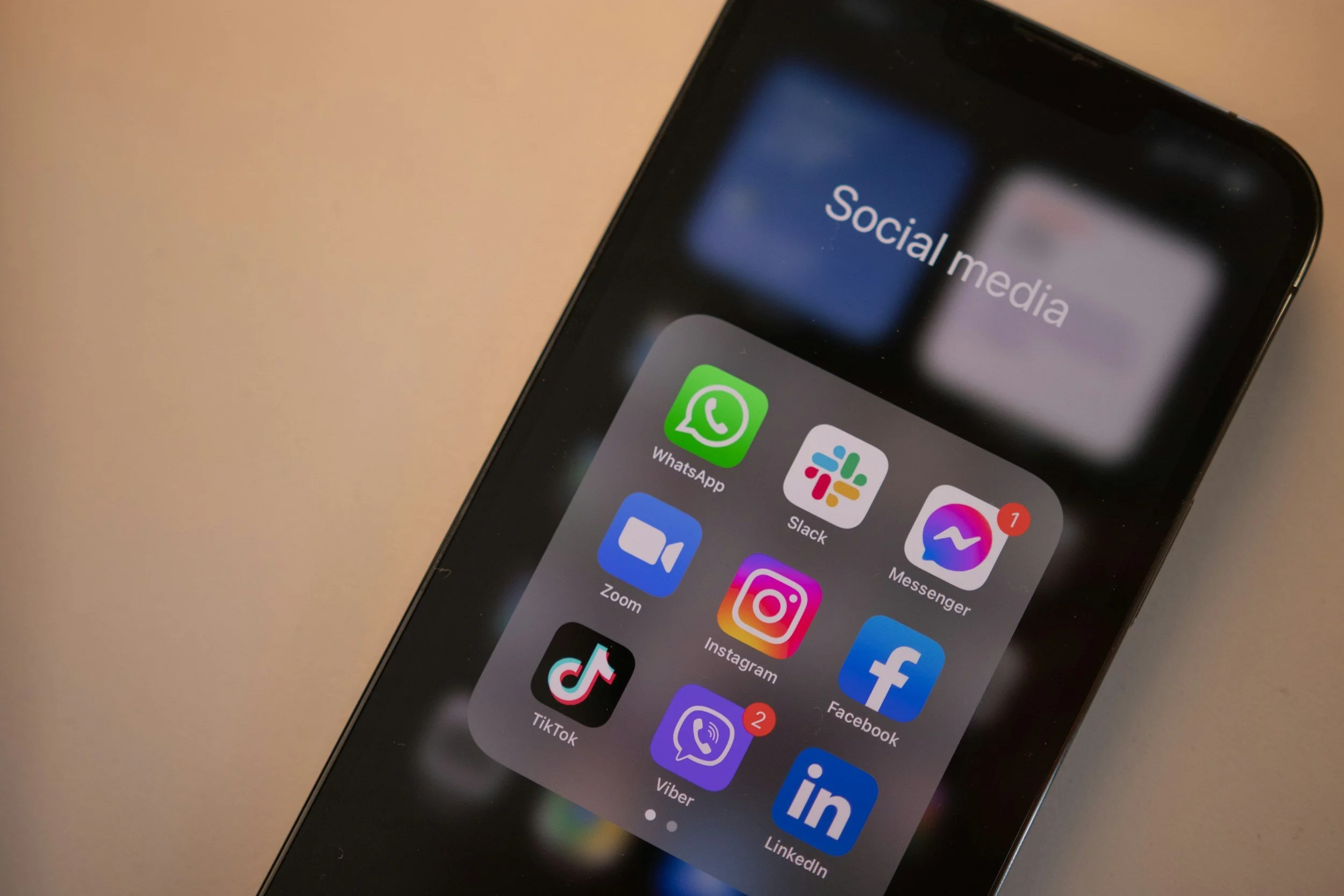
The influencer’s role in fashion marketing now sits across the entire funnel.
The “fashion funnel” used to be linear: runway to magazine to ads to finally, retail. Now it’s chaotic, community-led, and algorithm-driven. Vogue has described how Gen Z’s shopping behavior breaks traditional funnel logic. Discovery, validation, and purchase now loop together across feeds, DMs, comments, and creators.
In that environment, influencers (and increasingly creator ecosystems) play four critical roles:
Culture translators
They turn a product into a moment: a styling language, a meme, a micro-trend, a “core.”Trust engines
They reduce the “is this worth it?” friction with reviews, try-ons, wear tests, and day-in-the-life content.Creative studios at scale
Micro- and nano-creators produce endless platform-native content brands can’t replicate with a single studio shoot. Brands then amplify what’s already working.Commerce accelerators
Social platforms are collapsing content and checkout into a single experience. TikTok’s fashion guidance for SMBs emphasizes platform-native storytelling, community participation, and trend-driven formats that drive sales.
In 2026, the influencer isn’t “top-of-funnel.” They’re everywhere, especially where customers hesitate.
What’s changing in 2026:
7 shifts defining the new influencer era
1) Performance replaces vibes (but creativity still wins)
Budgets are still flowing into creator partnerships, but with heavier expectations: conversion, CAC, AOV, repeat purchase, not just likes. Industry guidance for 2026 centers on performance measurement and ROI accountability as the foundation of contemporary influencer programs.
Meaning: brands are building creator partnerships that can be tracked like paid media—without flattening the creator’s voice.
2) Micro-creators move from “cute add-on” to core strategy
Micro-influencers aren’t new, but in 2026, they become operationally central because they combine trust, niche clarity, and content volume.
Meaning: a roster of smaller creators can outperform one big name—especially when brands repurpose the best content across ads, email, product pages, and retail screens.
3) UGC becomes the new “hero creative.”
The most valuable influencer asset in 2026 isn’t the post; it’s the content rights. Brands increasingly treat creator videos as modular creative to be amplified (Spark Ads, whitelisting, paid social, PDP embeds).
That shift shows up across platform playbooks and broader fashion marketing trend reporting, which place creator-led video and “shoppertainment” at the center of discovery.
Meaning: the brand’s best ad might not be an ad. It might be a creator’s unfiltered “get ready with me.”
4) Social commerce is the new runway
Influencer marketing and shopping are now fused. As social commerce grows, creator content becomes the storefront window, especially on platforms built for discovery-first buying behaviors.
Meaning: campaigns are designed as “watch → want → buy” loops, not “watch → remember → maybe buy later.”
5) Long-term ambassador programs beat one-off sponsorships
Many brands are leaning into ambassador models: longer relationships, deeper alignment, consistent storytelling, and more believable advocacy. Launchmetrics frames ambassadors as distinct from one-off creator partnerships because of the trust and value alignment they offer.
Meaning: the strongest creator programs feel like community—not a casting call.
6) Compliance gets stricter (and audiences are less forgiving)
As influencer marketing matures, regulation and enforcement are tightening. The FTC continues to stress clear disclosure of “material connections” (paid partnerships, gifts, affiliate links) and truthful claims.
In Europe, policymakers are increasingly focused on hidden advertising and consumer protection issues related to influencer marketing.
Meaning: transparency is no longer optional—and “everyone does it” isn’t a defense.
7) Influence is moving from “perfect” to “human.”
The internet is saturated with polished product worship. Fashion audiences respond to humor, narrative, behind-the-scenes craft, and real people with real taste.
A small-but-telling example: a Sydney boutique scaled global attention through scripted, satirical TikTok skits—less “buy this dress,” more “come into our universe.”
And at London Fashion Week 2026, lifestyle brand activations embraced cultural currency—turning everyday rituals into fashion-adjacent identity signals.
Meaning: what sells is not “aspiration.” It’s belonging.
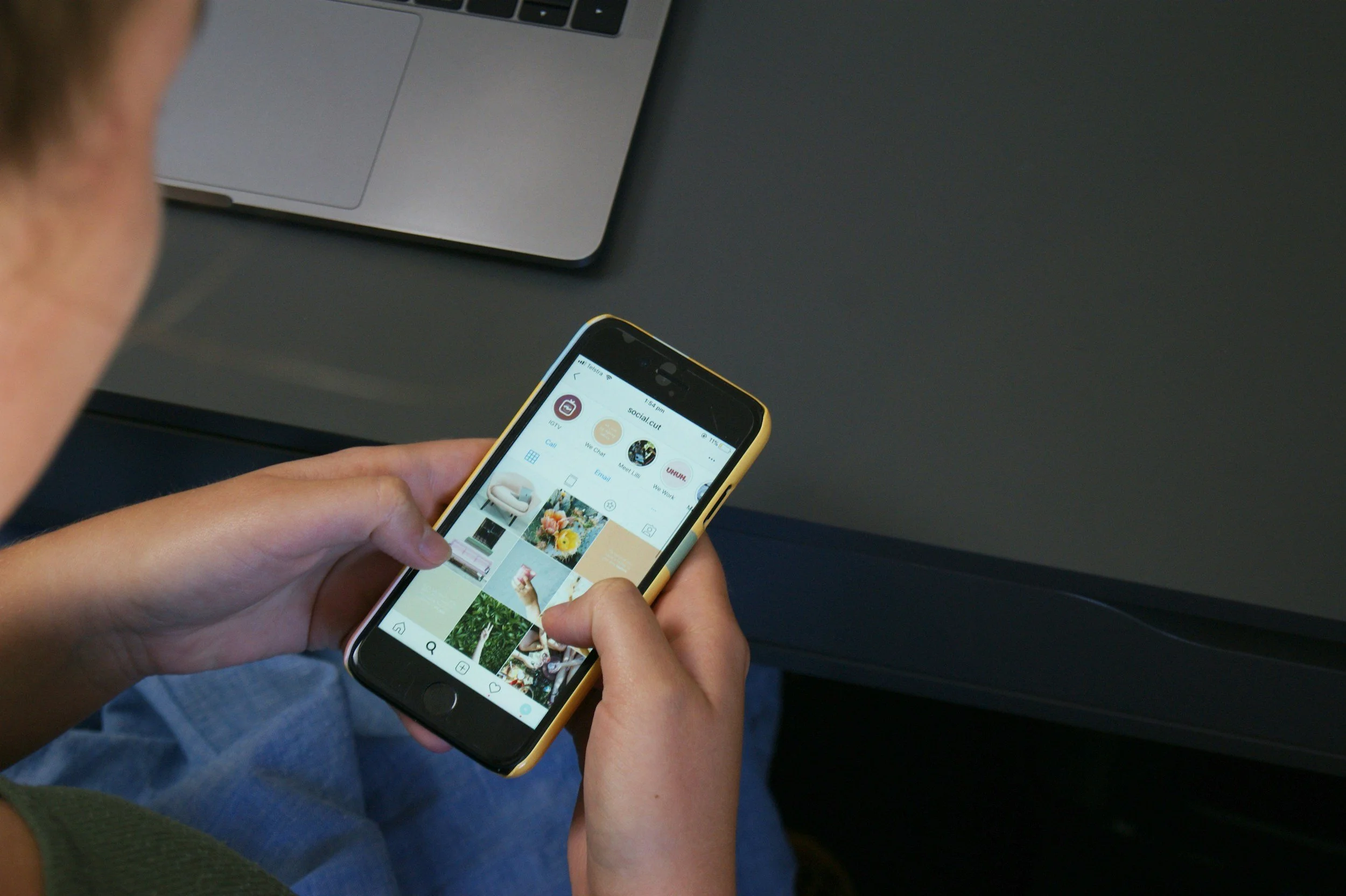
Campaign patterns that are winning now
Rather than chasing single “successful campaigns,” it’s more useful in 2026 to study the repeatable patterns brands use.
Pattern A: The “content-first brand universe.”
A brand builds entertainment, humor, narrative structure—and the product becomes a character, not the plot.
Milivine Boutique’s popular TikTok format is a clear illustration: dramatic skits generate attention and foot traffic without hard-selling.
Pattern B: Community-driven ambassador flywheels
Brands recruit real fans, reward advocacy, and let the community scale credibility. This is increasingly formalized as ambassador marketing, where long-term alignment drives stronger trust.
Pattern C: Creator content as paid media fuel
Instead of producing a single expensive shoot, brands test creator content organically and amplify what works. Modern TikTok ad approaches explicitly support boosting existing organic creator content for authenticity + performance.
Pattern D: Culture partnerships that feel like fashion
Fashion marketing is expanding toward collaborations and experiences that look and feel like “style,” even if the product category isn’t fashion. LFW activations show how brands borrow fashion’s symbolic language to earn attention and association.
Where EQH fits: choosing humans over influencers (on purpose)
While many brands are spending heavily to source influencers, EQH has taken a different route: spotlighting the creators and humans who make and run EQH, turning the brand’s real community into the story.
In 2026, that decision reads less like “missing a tactic” and more like being early to the point.
Because the market is shifting toward:
deeper partnerships over one-off posts
long-term ambassador/community models
and content that feels human, not manufactured
EQH’s approach aligns with the direction influencer marketing is already heading, without chasing the influencer-industrial complex.
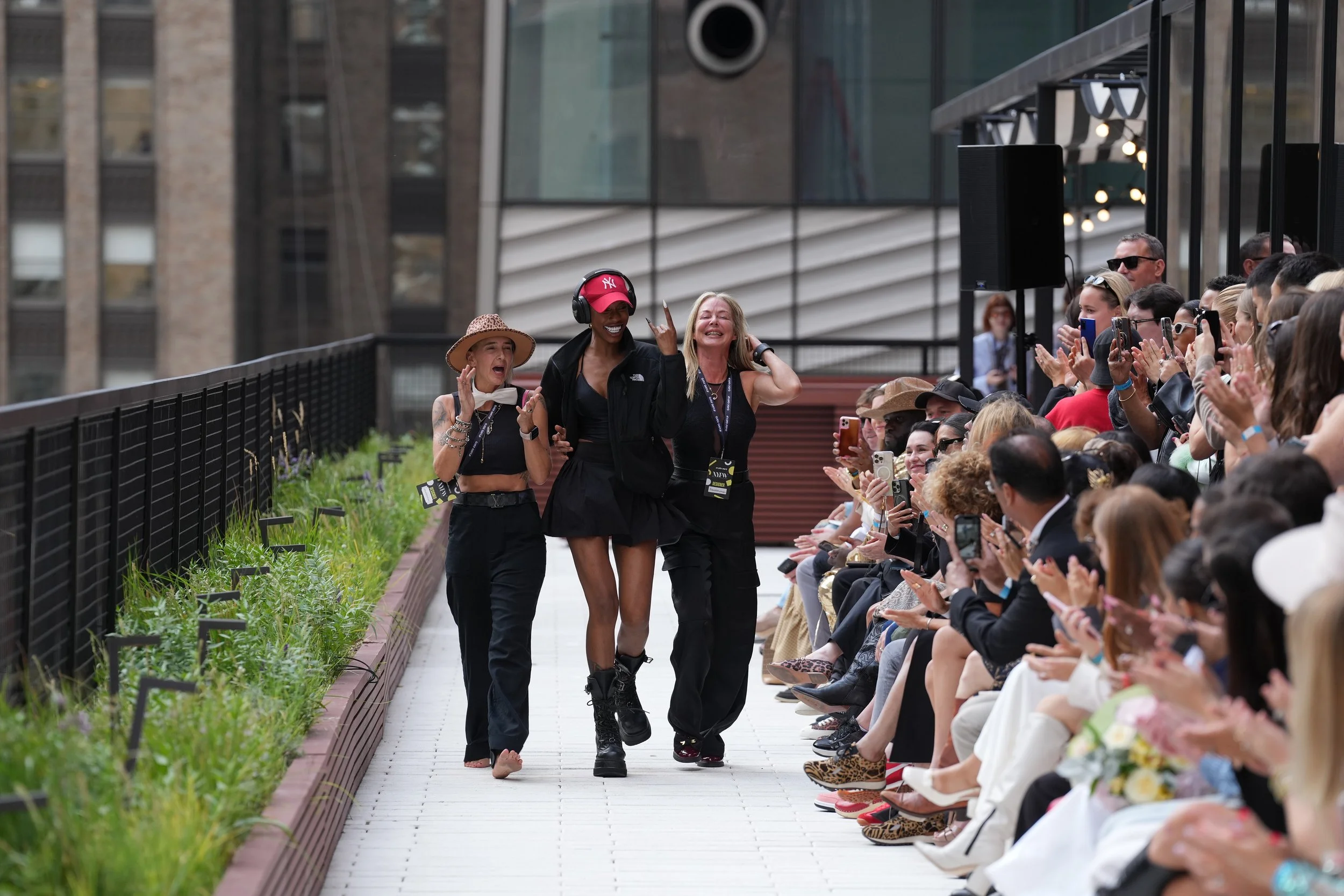
What this can look like as a 2026-forward strategy (without “sourcing influencers”)
Creator spotlights as a recurring series (studio, store floor, packing table, design decisions, customer stories)
Community collaborators, not “influencers” (artists, stylists, organizers, educators—people whose work already overlaps with EQH values)
Ambassador-by-invitation (small, values-aligned advocates with clear disclosure and simple benefits—store credit, early access, co-created events)
In-person experience as the main channel: if the store is where the brand’s humanity is most visible, then the physical space becomes the marketing engine—and digital content documents it.
In other words, EQH doesn’t need to “catch up” to influencer marketing. It can keep building the thing influencer marketing is trying to imitate: trust, proximity, and a real sense of who made this, and why.
The 2026 takeaway
Influencer marketing in fashion isn’t dying. It’s becoming more accountable, more integrated, more regulated—and more human.
The brands winning in 2026 are not the ones buying the loudest posts. They’re the ones building the most believable worlds, the most consistent creator relationships, and the clearest proof that there are real people behind the product.
And in a market exhausted by performance and polish, “the humans who make it” may be the most powerful influence of all.
