
What We Wear, What We Carry: The Psychology of Dressing With Intention
At equalshuman, fashion has never been about trends. It has always been about truth.
Long before conversations about mental health entered mainstream dialogue, clothing was already doing emotional labor for us. It has held grief. It has amplified joy. It has shielded vulnerability. It has helped us take up space when we weren’t sure we were allowed to. Fashion psychology, the study of how clothing impacts thoughts, behavior, and mental well-being, gives language to what we already know. What we wear shapes how we feel, and how we feel shapes how we move through the world.
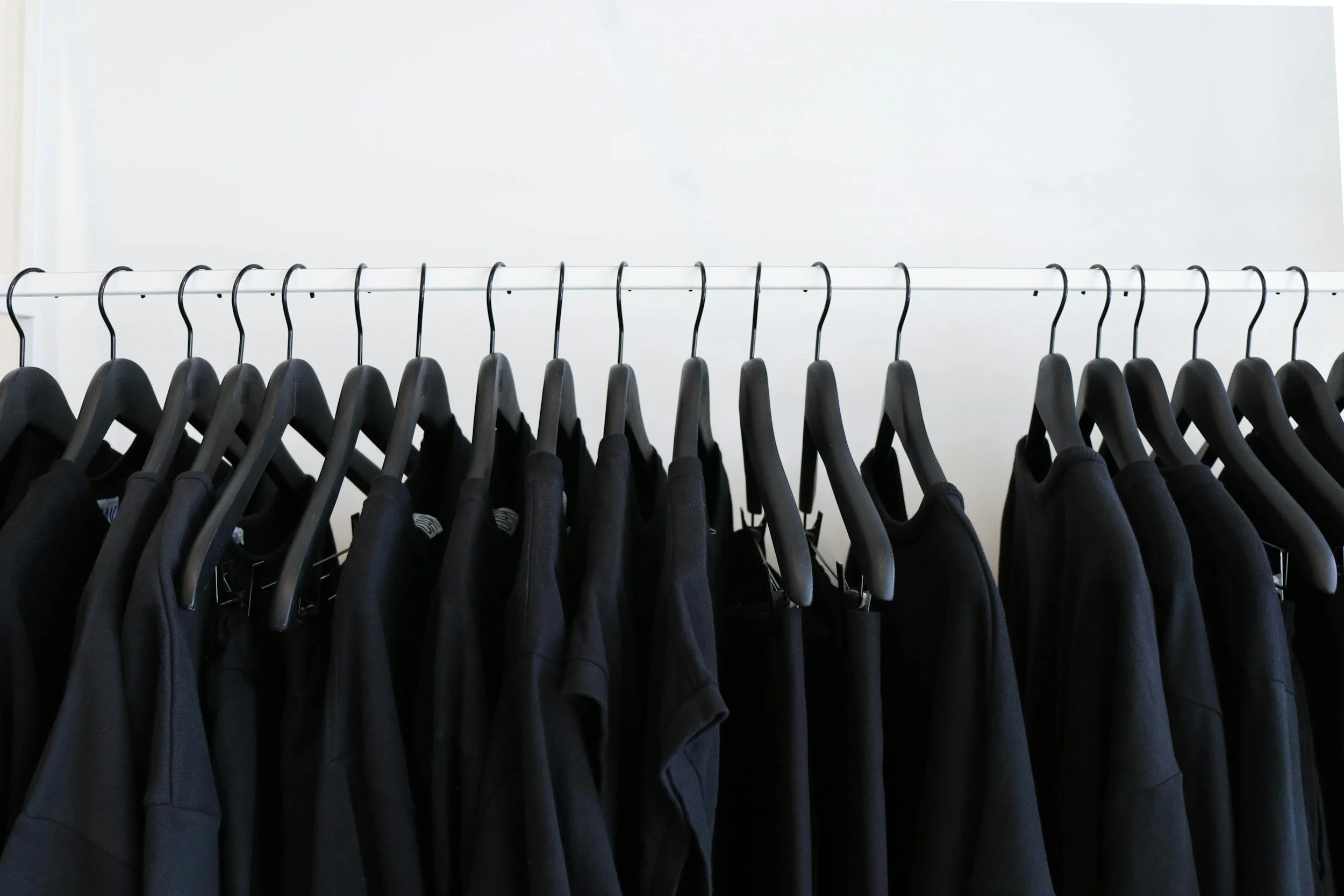
Clothing as Expressive Language
Psychologists use the term enclothed cognition to describe how clothing influences mindset. Structure can evoke confidence. Softness can regulate the nervous system. Symbolism can reinforce identity.
A sweatshirt is not just cotton, a tote is not just canvas, and a phrase is not just ink. They are affective cues. When someone wears a piece that carries a message of peace, love, or collective care, it becomes more than design. It becomes embodied intention. The body absorbs that message. Posture shifts. Presence shifts. Clothing becomes an internal dialogue.
This understanding shapes our design process. Before a piece is produced, it begins as a conversation. What does this message hold? What emotional state does this garment support? Is it grounding? Is it empowering? Is it reflective?
Design is not approached as seasonal output. It is approached as storytelling.
Textures are chosen for comfort, not merely aesthetics. Silhouettes are considered for ease of movement. Language is treated carefully — because words placed on the body carry psychological weight. There is intention behind restraint. Intention behind softness. Intention behind activism that does not scream, but speaks steadily. This slower, more mindful process embodies a refusal to contribute to fashion’s culture of haste and inadequacy. When clothing is created with care, it carries care. And people feel that difference. Color communicates before we do. Warm tones energize, earth tones stabilize, deep hues ground, and soft neutrals calm. Many in our community gravitate toward colors which reflect the natural world — sky blues, rooted browns, sun-washed yellows. In a hyper-digital world, these tones reconnect the nervous system to something organic. Choosing color becomes choosing emotional atmosphere. And when that choice is offered thoughtfully — not dictated by trend cycles — it restores agency.
Self-esteem grows when identity and expression align. It wanes when clothing feels like a costume. equalshuman was built around designing pieces that feel lived in rather than performed. Garments that do not demand transformation, but affirm who you already are. When someone carries one of our totes into a difficult space, it becomes more than just storage — it becomes a sign of shared values. When someone wears a garment rooted in creative resistance, it becomes a quiet affirmation of belief. These reinforcements may seem subtle. But subtle reinforcements, repeated daily, build confidence.
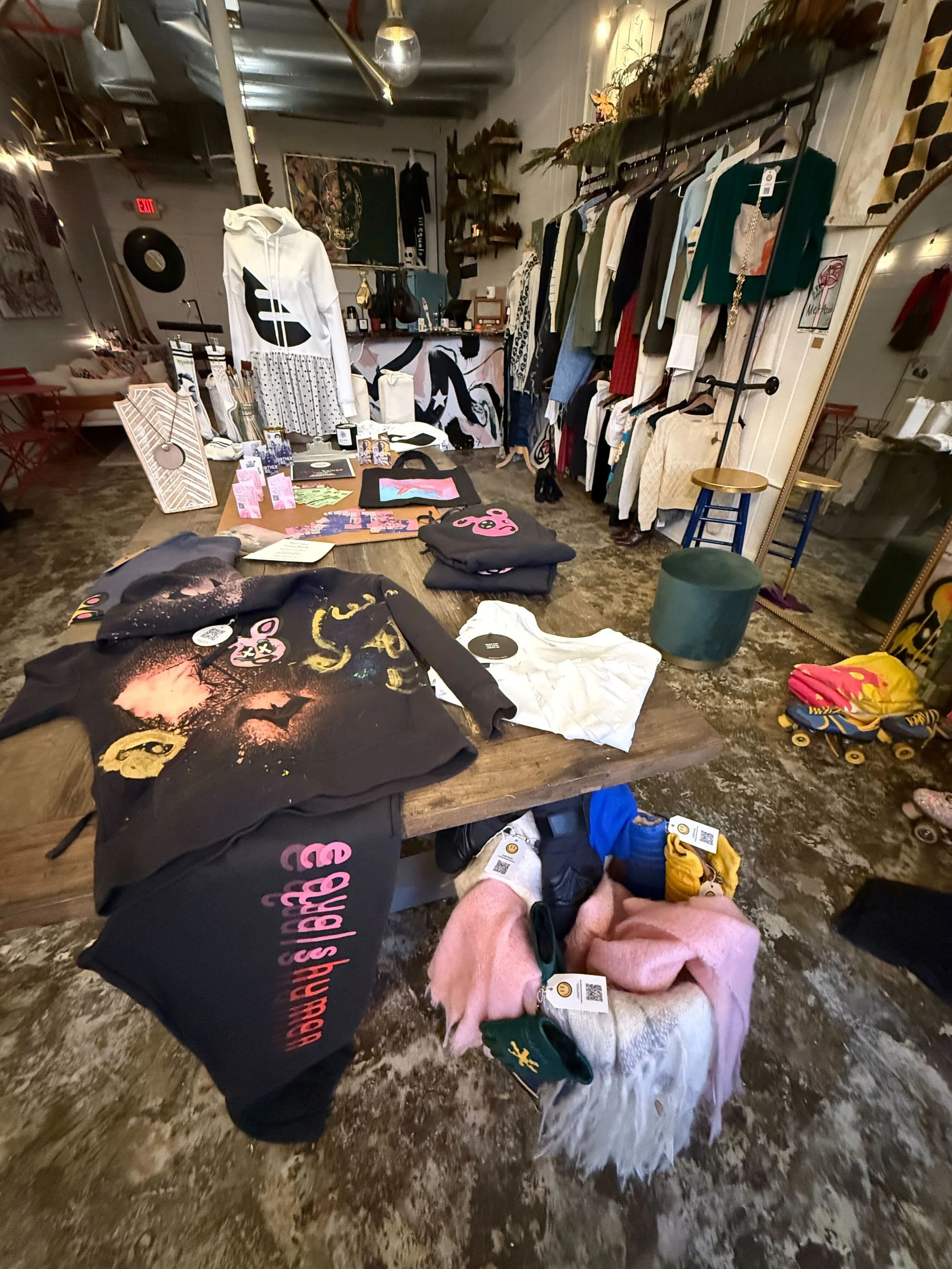
The In-Person Experience: Fashion as Safe Space
The cognitive impact of fashion does not begin and finish with the garment. It extends to the space in which it is encountered.
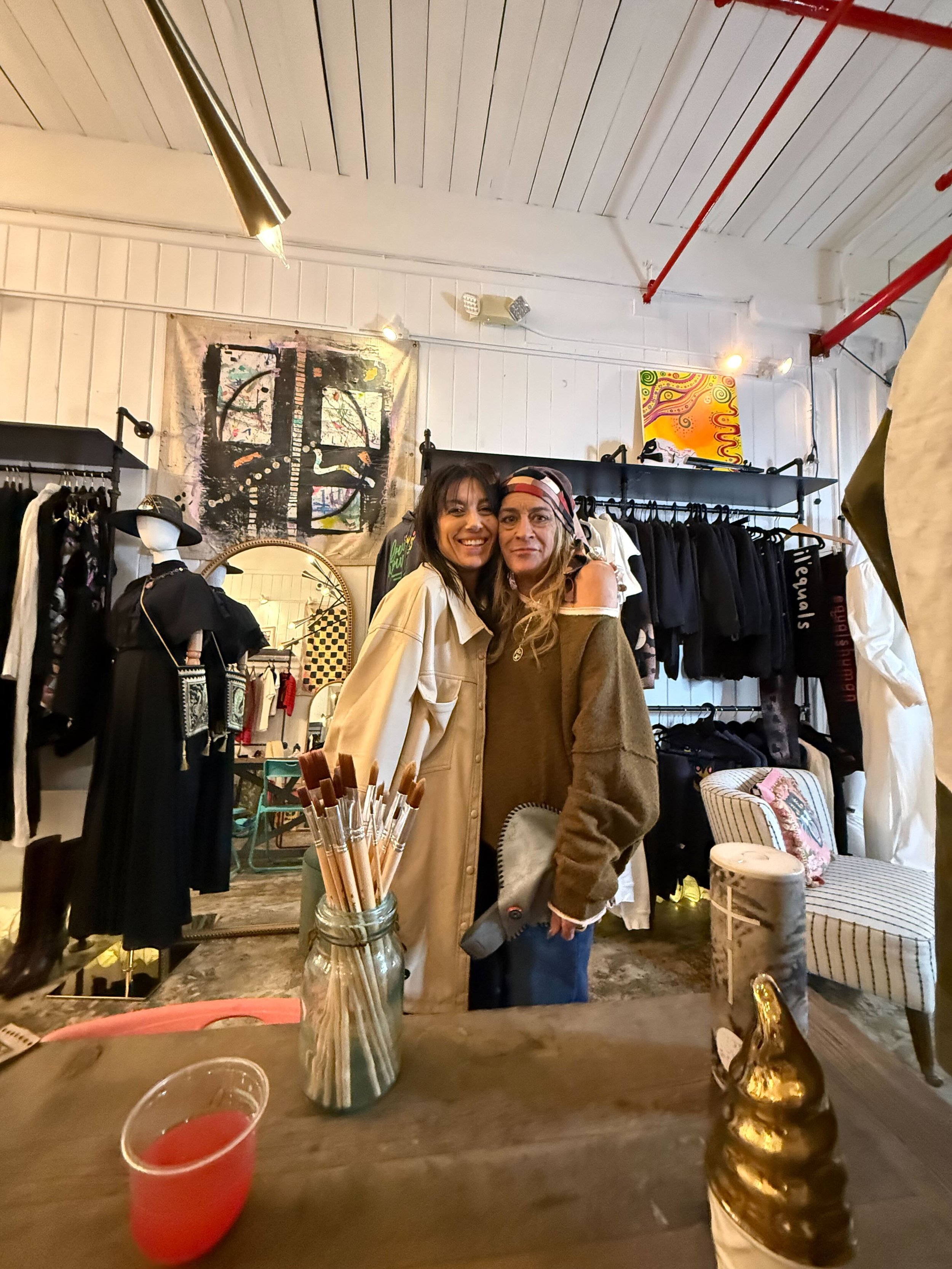
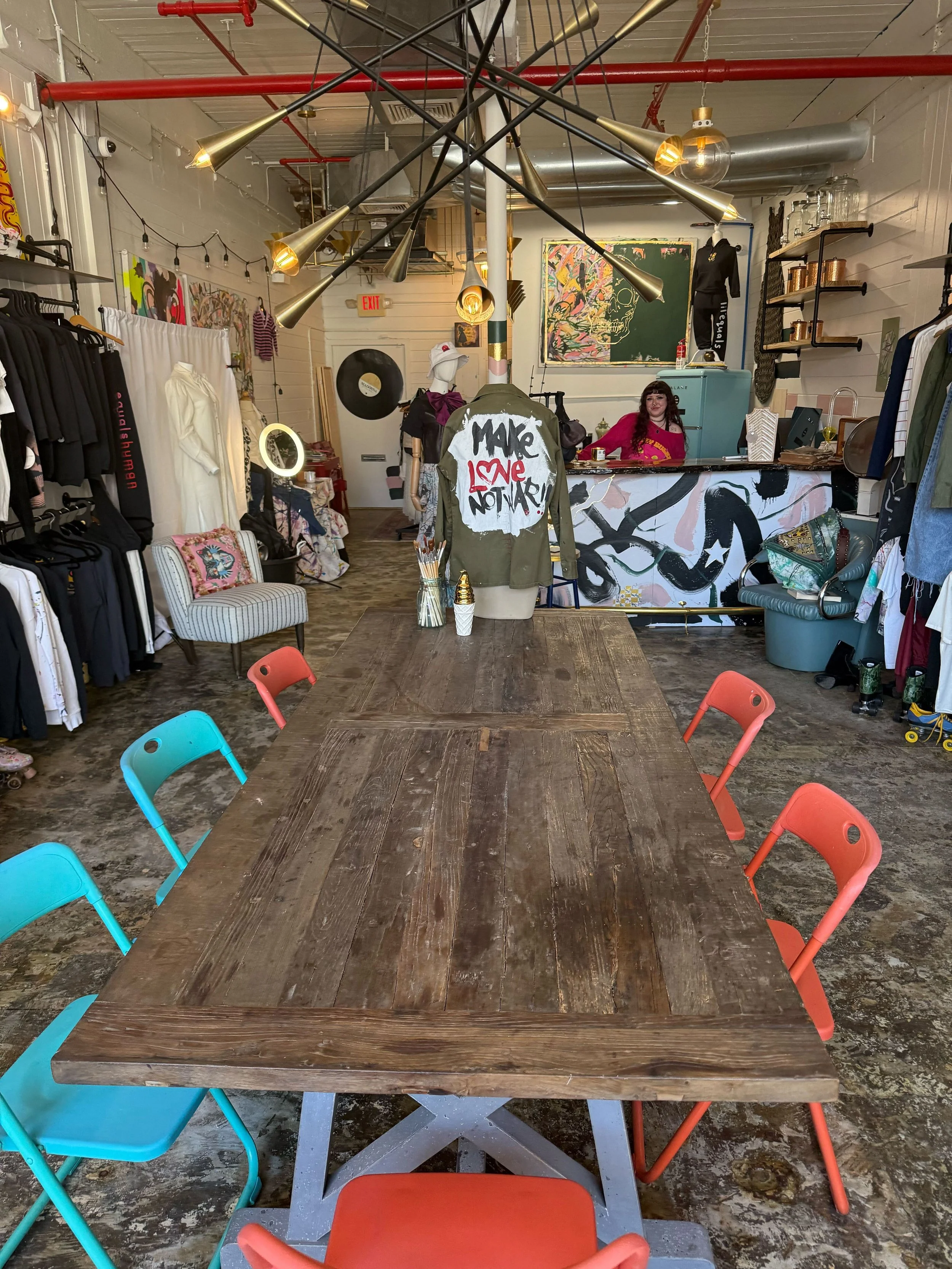
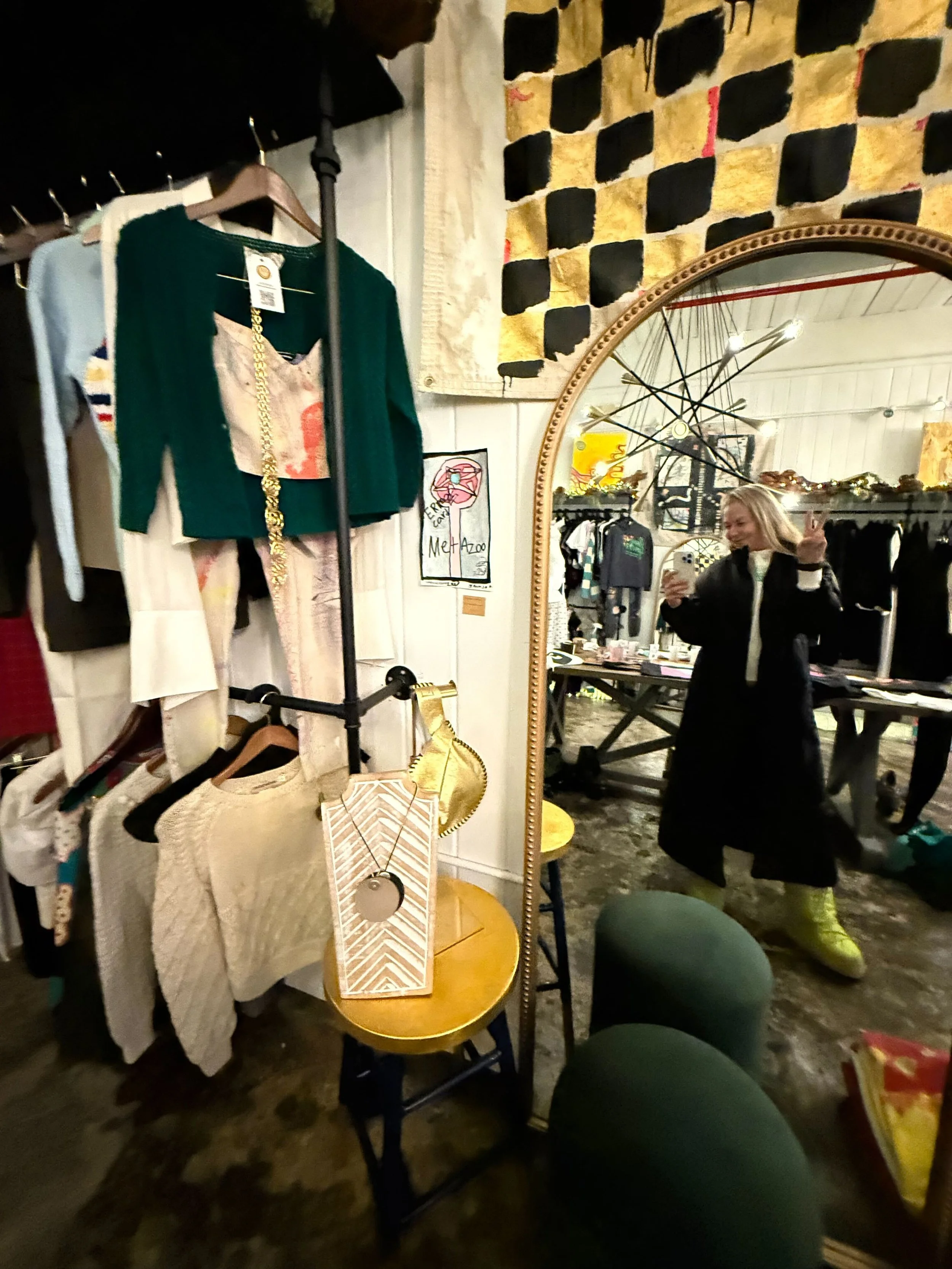
In our physical store, the experience is intentional.
There is no pressure to rush. No performance of exclusivity. No overstimulation is designed to push impulse buying. Instead, the space is arranged to feel grounding. Human. Conversational. Customers are invited to interact with the stories behind the pieces. To ask questions. To take their time. To reflect. This matters to many people; shopping environments can trigger feelings of comparison, insecurity, or overwhelm. By contrast, an intentional space can regulate the nervous system. It can transform purchasing into participation — into exchange rather than transaction. Even the decision to host community events, such as Soulful Sunday gatherings, extends this philosophy. Fashion is not isolated from wellness. It is woven into it.
The store becomes less of a retail location and more of a meeting point — between art and identity, between individual and community. Belonging protects mental health. Clothing has always been a marker of belonging — to culture, to movement, to memory. For those traversing layered identities — diasporic, queer, creative, spiritual — fashion becomes a negotiation—visibility and security, expression and protection. equalshuman exists in that in-between. Not insisting on assimilation and not performing rebellion for spectacle, but holding space for complexity. Our design choices, production pace, and physical experience all stem from the same principle: fashion should not destabilize the self. It should support it. Every morning, we step into something. Sometimes we choose softness, sometimes we choose boldness, and sometimes we choose quiet resistance.
These are not superficial decisions. They are micro-affirmations. They remind us that we belong, that our voice matters, and that we are valued. We know fashion is more than a surface-level treatment. It is our psychology in motion, because what we wear does not just shape how the world sees us. It shapes how we see ourselves.
