
The Fabric Beneath Everything: Cheesecloth as Foundation
There is something quietly radical about beginning with cheesecloth.
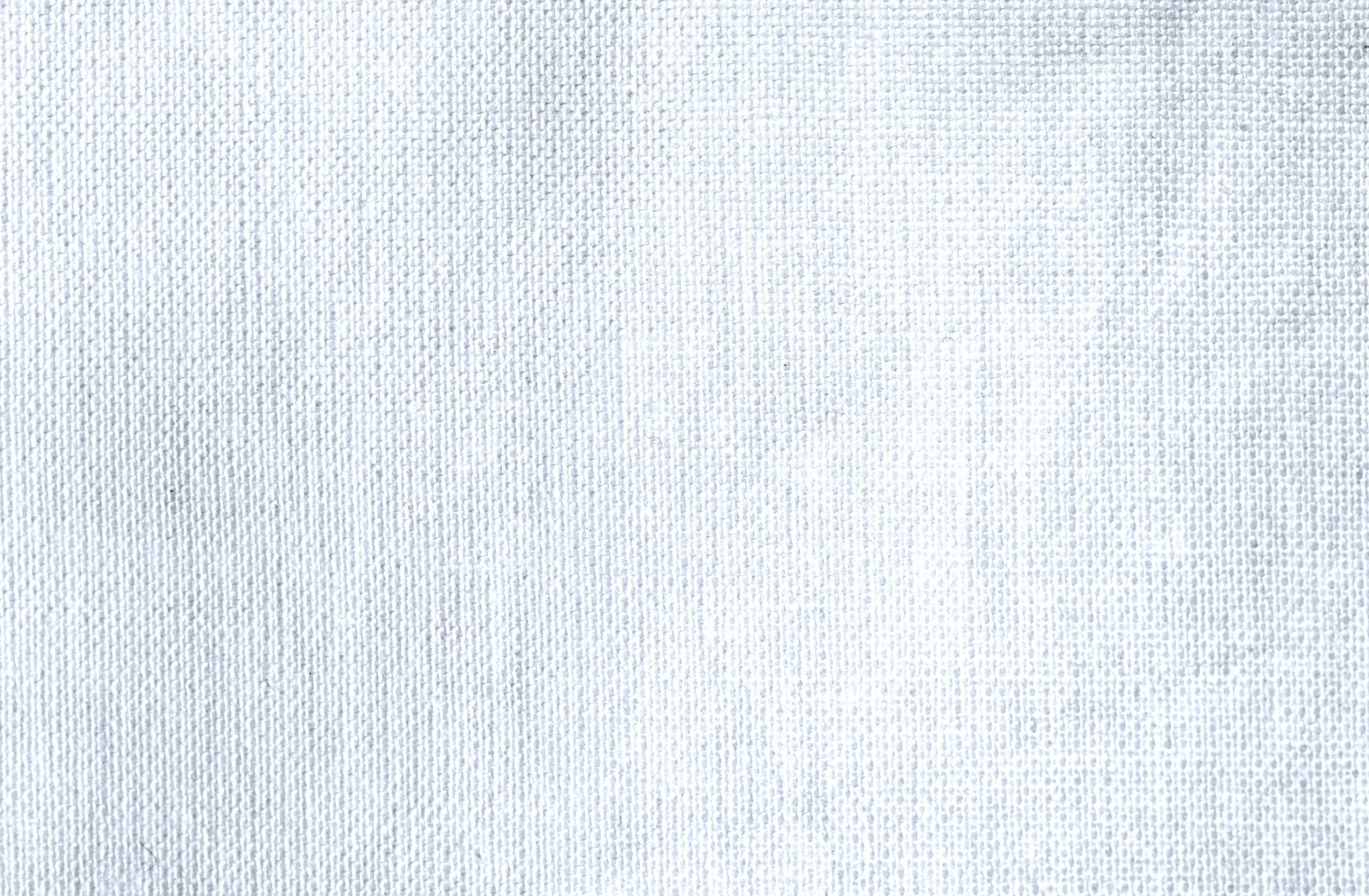
Not silk. Not engineered performance fabric. Not imported through complex supply chains and processed with unknown chemistry. Cheesecloth, that loosely woven, open-weave cotton cloth, is one of the oldest textiles in human use. At Equalshumans, it is increasingly essential. We prioritize working directly with mills and small producers in our region who demonstrate ethical practices and material transparency. By fostering close relationships with suppliers, we ensure each batch meets our standards for quality, traceability, and environmental responsibility.
This is more than a story about material choice; it is an argument for building garments from the fabric up—and why starting with cheesecloth matters.
A History Woven Into Everything
Cheesecloth gets its name from exactly where you'd expect: the dairy industry. For centuries, it was the cloth used to press curds. It strained, shaped, and separated. Simple. Utilitarian. Necessary. But the origins of open-weave cotton fabric stretch much further back than European cheesemaking. They go through South Asian hand-weaving traditions. They trace the muslin trade routes that once made Dhaka the textile capital of the world. They pass through the cotton fields that fueled empires and exploited millions.
To work with cheesecloth is to hold something with a complicated inheritance. The fabric itself predates industrialization. Its weave — loose, breathable, soft — is a technology refined across millennia. Not just quarters. Before fashion became an industry, before garments became products, fabrics like this were made close to home. They came from plants grown in the same soil the maker walked on. They were processed by hands that understood the full journey from seed to stitch.
That rootedness is precisely why cheesecloth matters at EQH. Our focus is not nostalgia, but a deliberate orientation toward local relationships, material transparency, and accountability to both people and place—making our choice of cheesecloth both strategic and value-driven.
Why Foundation Fabric Matters
Foundation fabrics don't get much attention. They live beneath the visible surface — structuring, shaping, supporting. They are the quiet infrastructure of a garment, often invisible to the wearer and almost always invisible to the conversation around design.
But foundation fabric is where a garment's integrity begins. It determines how a piece moves, breathes, ages, and behaves over time. A garment built on a synthetic, petroleum-derived foundation, even one with a beautiful outer face, carries that compromise through its entire life cycle. It holds heat differently. It resists dye differently. And when it eventually leaves your life, it does not return to the earth. When considering sustainable alternatives, fabrics such as organic linen, hemp, and Tencel also come into the conversation. Each has strengths: linen and hemp are durable and require minimal water, while Tencel is made from renewable wood pulp using a closed-loop process. However, cheesecloth stands apart for its combination of local sourcing, biodegradability, minimal processing, and gentle handling. Compared to these other eco-friendly foundations, cheesecloth offers an approachable, versatile option that roots a garment in both tradition and transparency.
Cheesecloth, especially when locally or regionally sourced, is biodegradable, naturally breathable, and takes dye and texture without constant chemical intervention. The open weave moves with the body in ways that stiffer, manufactured foundations don't. In daily wear, cheesecloth feels airy and light against the skin, gently draping and allowing for comfortable movement. It is soft without feeling flimsy, and its breathability keeps the wearer cool.
Local Sourcing as Design Philosophy
At EQH, the question of where fabric comes from is not a footnote. It is part of the design—and central to our values of sustainability, integrity, and respect for craft.
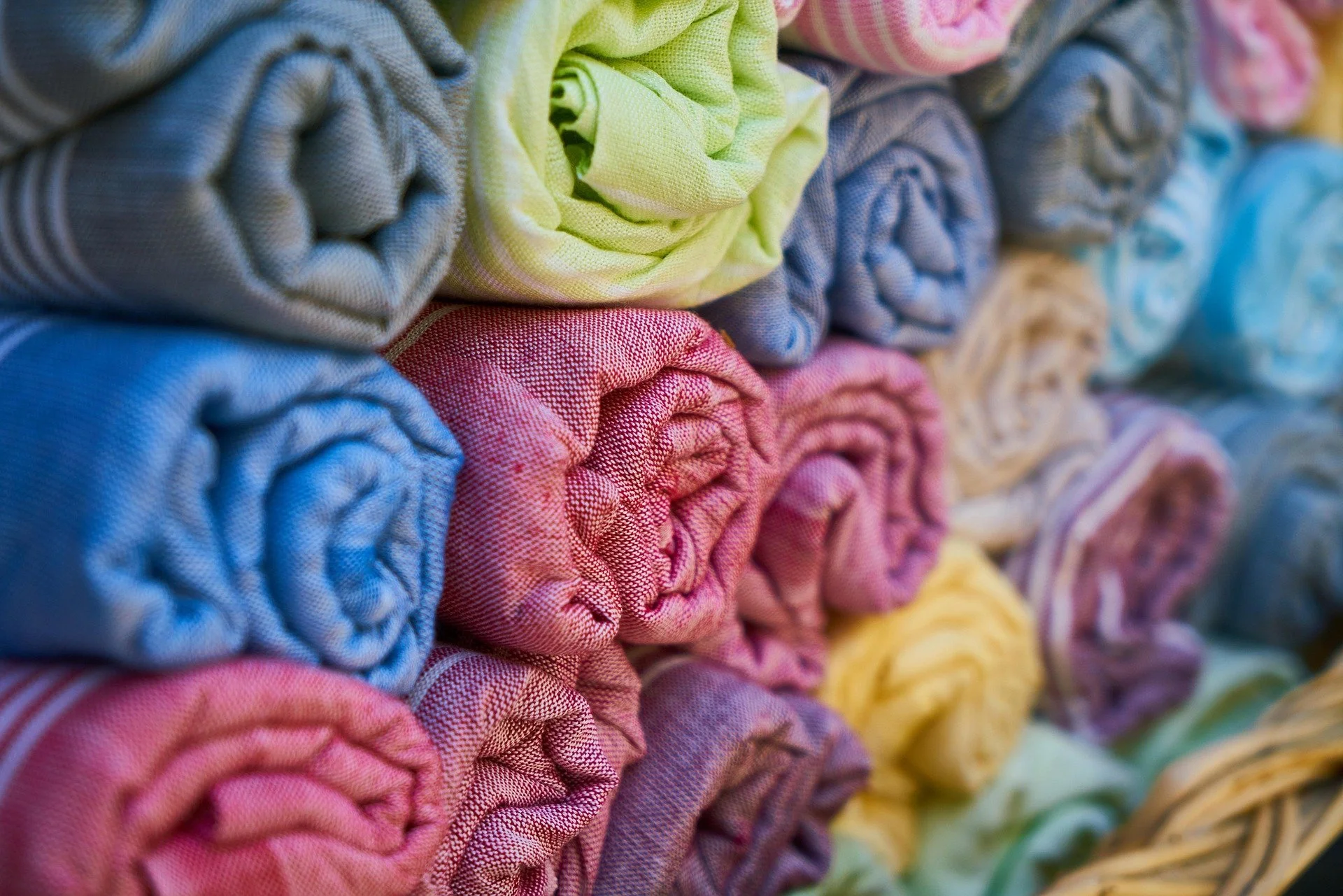
When cheesecloth is sourced locally — from regional mills, from small-batch producers, from suppliers whose practices can be traced and verified — the supply chain shortens. Carbon emissions from transport decrease. The relationship between maker and material becomes clear. There is accountability built into proximity.
This matters especially for a foundation fabric, which is purchased in quantity, used across multiple pieces, and often overlooked in sustainability audits that focus only on what the customer can see. Choosing a locally sourced cheesecloth as a structural foundation is a decision that compounds across production runs, across seasons, across the cumulative weight of every garment a brand puts into the world. In essence, consistent, ethical sourcing of foundational materials scales positive impact.
Local sourcing also protects craft. Small cotton producers and regional mills are often the custodians of non-industrial production methods — growing heirloom varieties, using traditional gin and weave techniques, operating at a scale that allows for human oversight rather than automated throughput. When a brand chooses to work with them, it helps keep those methods viable.
Sustainability, Honestly
Cheesecloth is not a perfect fabric. No fabric is.
Cotton, even natural and unbleached, is a thirsty crop. Conventional cotton farming is among the most water-intensive and pesticide-intensive agricultural practices in the world. Choosing cheesecloth as a foundation fabric only makes sense within a broader commitment to careful sourcing—one that takes into account how the cotton was grown, who grew it, and under what conditions. At EQH, we seek out cotton that is certified organic or grown with low-impact, regenerative methods. We prioritize suppliers that follow recognized standards for environmental stewardship and fair labor, such as the Global Organic Textile Standard (GOTS) or Fairtrade certification, and collaborate closely with partners that can provide full traceability for their cotton. These criteria guide our sourcing so that each roll of cheesecloth we use reflects our ethical and environmental priorities.
Organic cotton cheesecloth—grown without synthetic pesticides or chlorine bleaching—is a more honest choice. Unbleached cheesecloth, in its natural off-white or cream state, removes a chemical step from the process. At EQH, these distinctions reflect our commitment to environmental responsibility, transparency, and ethical sourcing.
What slow fashion ultimately demands is that these questions be asked at all. That foundation fabric stops being invisible. That the choices made at the bottom of a garment — the layers no one photographs, the structure no one sees — carry the same intentionality as everything else. Ultimately, transparency and intention should guide every material decision.
The Garment as Argument
There is a design approach that begins with aesthetics and works backward to find materials that fit. And there is a version that begins with material — with what the land produces, with what local craft can offer, with what the supply chain can honestly sustain — and lets that inform what gets made.
Cheesecloth as a foundation fabric directly argues for starting with material integrity and locality. Rather than defaulting to global supply chains or appearance-first decisions, it demonstrates our core belief: begin with something ancient, accessible, biodegradable, and breathable—then build up from there.
Every material choice at EQH is intentional: it’s how we answer what kind of maker—and community—we are building. Honesty, community, and accountability define each step. Our invitation: join us in making material choices that matter. Cheesecloth, with its integrity, exemplifies this starting point. If you are curious about our process, reach out with your questions—let’s build a transparent, values-driven community together.
equalshumans is a slow fashion brand and creative community rooted in Fairfield, CT. The Human Spark Materials Series explores the stories behind the fabrics, fibers, and foundations we choose to build with.
