
More Than a Moment: Rethinking Generosity for a Shared Future
In a world that urges us to consume and produce more, the true challenge of giving is found in its simplicity: donate. Volunteer. Support a cause. But what if giving, like the systems around us, needed to be reimagined?
Sustainable giving moves away from one-time charity and toward a deeper practice of generosity that cultivates people, communities, and ecosystems over time. It is not only about how much is given, but also how, why, and with what impact.
Most people associate giving with a season. A cold November, a grocery store donation bin, a check written at the end of December before the tax deadline. Charity, in the popular imagination, is often treated like a holiday — something you pull out once a year and pack away again when the decorations come down. But what happens to the communities that need support in February? In July? On a random Tuesday in April, when a family runs out of food, a young person needs mentorship, or a neighborhood loses another small business?
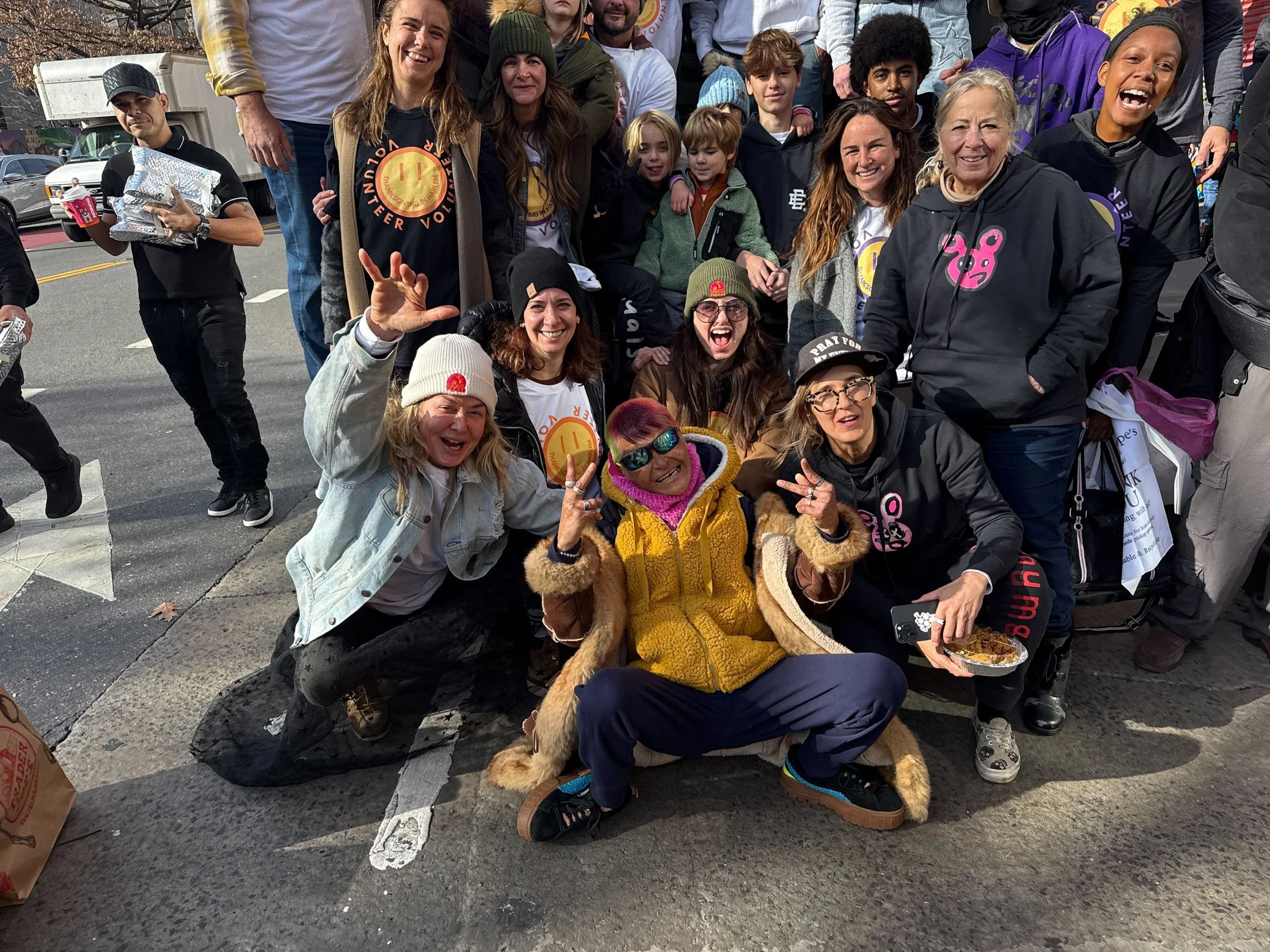
This is the question at the heart of sustainable giving. And it is the question that organizations like Thanksgiving in Harlem quietly and consistently answer.
What Is Sustainable Giving?
At its core, sustainable giving is the practice of giving resources — whether time, money, skills, or platforms — in ways that create long-term, meaningful impact rather than short-term relief.
It shifts the question from “How can I help right now?” to “How can my support continue to matter tomorrow, next year, and beyond?”
This might look like supporting small, independent creators instead of fast, extractive systems and investing in community-focused initiatives rather than top-down solutions. Building relationships with causes instead of participating only in times of crisis. Offering skills, mentorship, or access—not just financial aid. Locally, this can be as simple as joining a neighborhood cleanup, volunteering at a food pantry, mentoring youth in after-school programs, or helping organize a community event. Modest actions, such as shopping at farmers' markets, supporting local bookstores, or sharing job opportunities with neighbors, can build a durable impact where you live.
Sustainable giving is not transactional. It is relational. It recognizes that real change is not created through isolated acts, but through ongoing care and combined responsibility.
What Is Thanksgiving in Harlem?
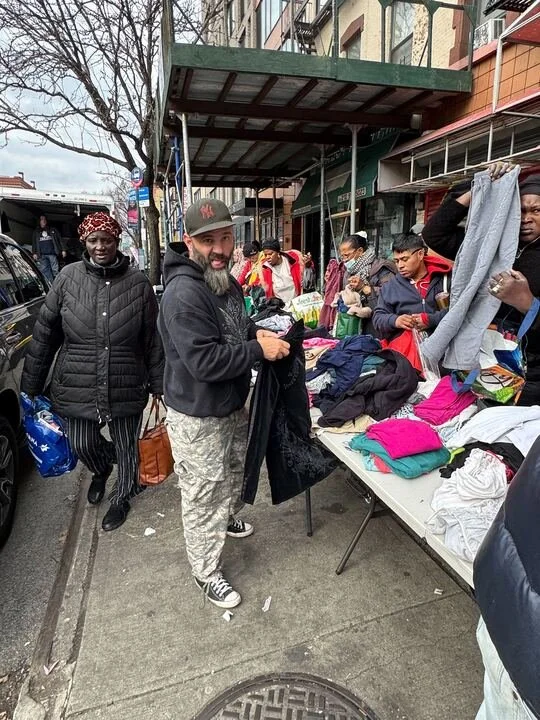
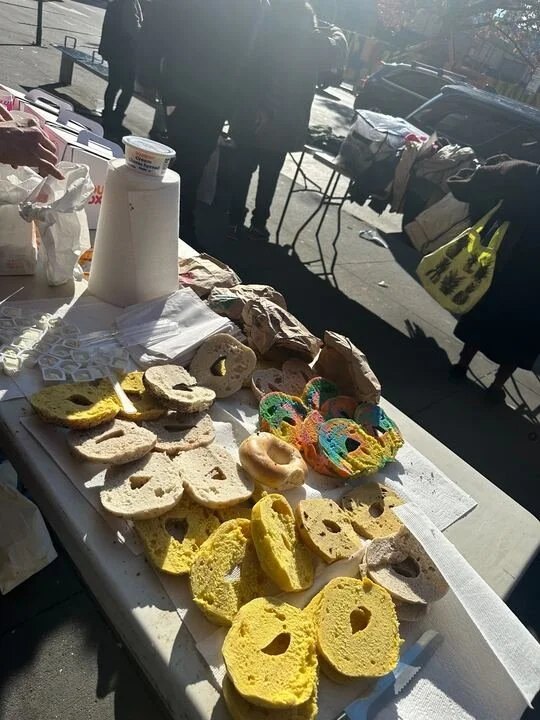
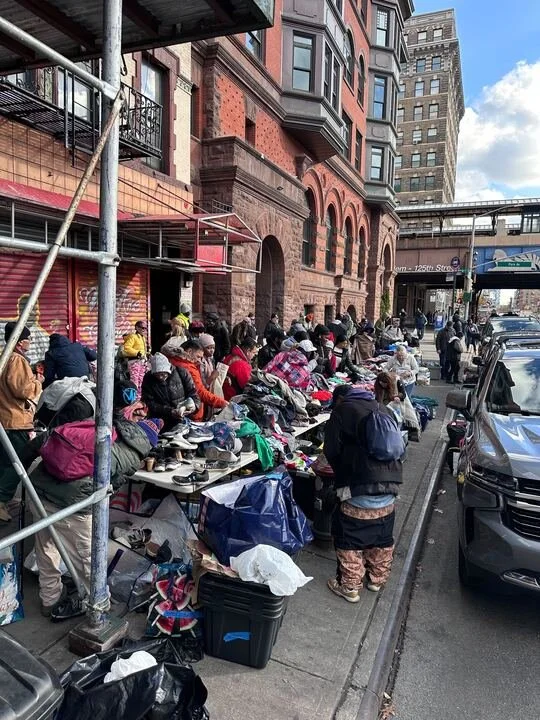
Thanksgiving in Harlem, referred to as TGH, began as exactly what it sounds like — a communal effort to ensure that families in Harlem have access to essential resources. But it grew into something much larger than that.
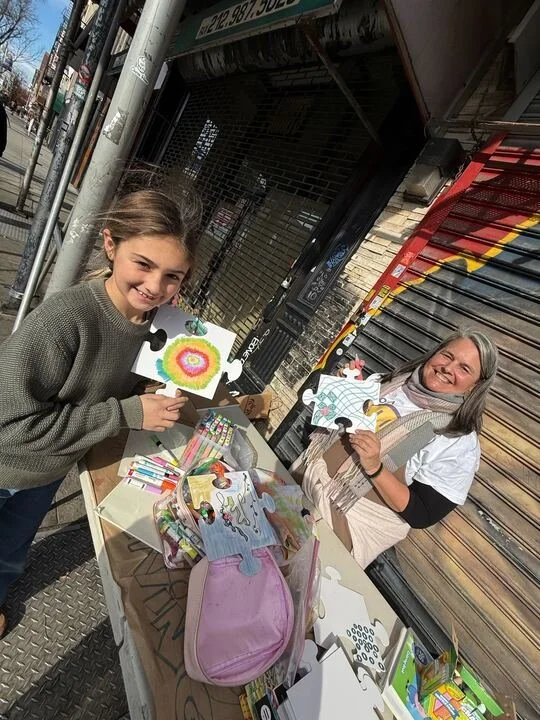
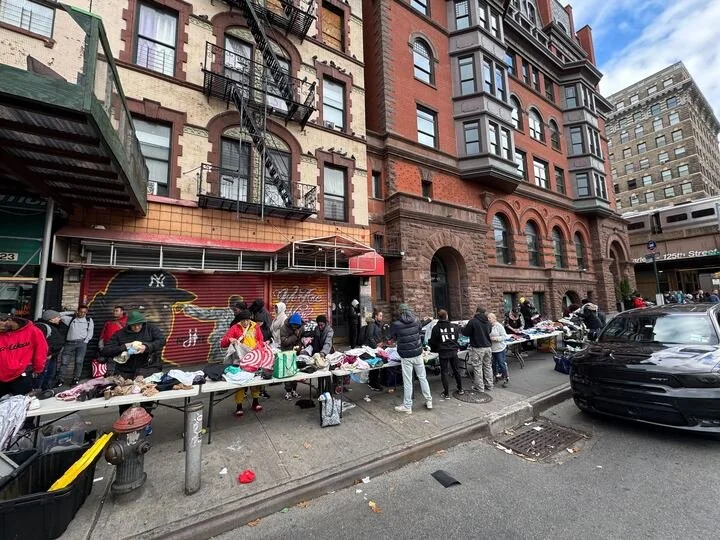
TGH is now a year-round community operation. It does not swoop in once a year and disappear, but is a continuous presence, addressing community relations and material needs throughout the seasons. The work continues beyond the holiday.
This model is intentional. Isolation does not ease up in summer. A single day of abundance cannot substitute for consistent, reliable support. TGH was built with this reality in mind, exemplifying sustainable giving in practice.
Why It Matters
It Moves Beyond Temporary Fixes
Traditional giving often responds to urgency, and while that is important, it can also be fleeting. A donation might solve an immediate need, but without sustained support, the underlying issue remains. Sustainable giving addresses the root, not just the symptom. It asks: what systems need to change so this problem does not keep repeating?
It Centers Dignity, Not Dependency
When giving is inconsistent or purely reactive, it can unintentionally create cycles of dependency. Sustainable giving, on the other hand, focuses on empowerment. It supports local leadership, skill-building, economic independence, and creative autonomy. It shifts the dynamic from helping others survive to helping others thrive.
There is also something important about dignity in the texture of the support itself. Receiving help is easier, emotionally, when it comes from a source that knows your name, is part of your neighborhood, was there last month, and will be there next month, and treats you as a neighbor rather than a beneficiary. The relational quality of sustained community work is not a soft afterthought. It is central to what makes support actually supportive.
It Builds Stronger Communities
Communities are not built through one-time gestures, but through presence, trust, and continuity. Sustainable giving strengthens these foundations through long-term relationships and supports local movements, recognizing that those closest to a problem are often closest to its solution.
When TGH shows up in January, and again in March, and again in the heat of August, it sends a message that Harlem is worth investing in — not just when it is convenient or culturally meaningful to do so, but always.
It is consistent with Ethical Living Across Industries.
Sustainability isn't limited to environmentalism. It is a mindset that connects every part of our lives. The same principles that guide slow fashion, intentional consumption, ethical media, conscious design, purposeful creation, and how we give. Sustainable giving becomes part of a larger ecosystem of values, one that favors care ahead of convenience and impact over immediacy.
The Snowball Effect: How It Impacts Us All
Sustainable giving is not just about the recipient. It transforms the giver, the community, and the systems around them.
For individuals, it deepens empathy and awareness. It inspires us to engage more thoughtfully with the world, to understand context, and to act with intention rather than impulse.
For communities, it creates security and development. When support is consistent, communities can plan, build, and evolve rather than constantly reacting to scarcity. The communities that receive the most sustained investment tend to be more resilient with improved social infrastructure, greater trust among neighbors, and more resources that can be mobilized quickly when needed most.
For creative and cultural spaces, sustained giving enables artists, storytellers, and independent creators to continue their work without undermining their voices. TGH is part of this ecosystem, where storytelling, creativity, and community mutually sustain one another.
For the future, it contributes to systemic change. A city in which some neighborhoods flourish while others are left to fend for themselves is not actually thriving. Over time, sustained giving reshapes structures — redistributing access, amplifying the voices of the excluded, and creating pathways that did not exist before.
Practicing Sustainable Giving in Everyday Life
Sustainable giving does not require wealth. It needs intention.
It can begin with small, consistent choices: supporting the same local business or creator over time, subscribing to independent platforms and publications, volunteering regularly instead of sporadically, sharing opportunities and visibility within your networks, and listening to and learning from the communities you aim to support.
If you’re not sure how to get started, try a simple starter plan:
Choose one cause or local group that connects with you.
Set a monthly reminder on your calendar to check in or contribute, even in a small way.
Decide what kind of support feels most manageable—this could be a set monthly donation amount, a regular volunteer shift, or sharing their work with others.
Keep notes on your experiences and, after a few months, reflect on the impact you notice in yourself and your community.
When you follow these steps, generosity can become a natural part of your routine, making sustainability feel less overwhelming and more attainable.
Beyond TGH specifically, sustainable giving is available to all of us. It might mean shifting a one-time donation to a recurring one. It might mean spending money in your own community. It might mean giving time rather than money, and showing up with that time month after month. It is less about doing more and more about doing differently.
A Shift in Attitude
Sustainable giving encourages us to reconsider generosity, recognizing that real impact comes from long-term commitment rather than immediate action. The main argument is that consistent, mindful support leads to transformative change.
In many ways, sustainable giving resembles the essential essence of being human: imperfect, evolving, and deeply interconnected. It moves us out of a transactional relationship with generosity and into something more like citizenship. It asks us to stay curious about what our neighbors need, to follow through beyond the initial rush of enthusiasm, and to understand our own well-being as connected to everyone around us.
Transform everything
The holiday table represents inclusion, but sustainable giving ensures this inclusion extends throughout the year, granting ongoing support beyond November. Its heart, sustainable giving is about stewardship: of resources, of relationships, and of the future we are collectively shaping. It reminds us that generosity is not evaluated by a single moment, but by a pattern of care that extends across time.
And perhaps most importantly, it allows us to see ourselves not as distant helpers but as active participants in a shared world — one where what we give, how we give, and why we give can transform everything.
Interested in learning more about Thanksgiving in Harlem and their year-round community programs? Find them, follow them, and get involved. The work continues.
