
Where Art Meets Fashion: A Shared History That Shapes Our Future
Throughout history, art and fashion have consistently evolved together, each shaping and renewing the other in a close dialogue. From ancient textiles colored with natural pigments to today’s runway collections inspired by urban street murals, both forms spring from our urge to create beauty, signal identity, and mirror the world around us.
Consider South Asia, where hand-loom weavers use fabric as canvas, weaving cultural memory into every motif. In Japan, ukiyo-e prints influenced everything from garment silhouettes to color schemes during the Edo period. Meanwhile, in West Africa, kente and adire textiles inform both fashion and the visual language of painting and sculpture. Across the globe, art and fashion feed off each other—sometimes subtly, sometimes radically—whether in Renaissance portraiture shaping court attire or Indigenous beadwork guiding couture.
The partnership between art and fashion endures because of their shared emotional intelligence—art imagines the world, and fashion lets us embody those visions. This overlap consistently sparks cultural movements and produces real social impact.
A New Chapter: licataBEAN’s “Make Love, Not War.”
Before becoming a creative emblem of this collaboration, “Make love, not war” already had its own powerful legacy. Originating in the 1960s during the anti–Vietnam War movement, the slogan represented a global wave of youth-led resistance demanding peace, dignity, and humanity. Artists, musicians, and activists propelled the phrase into a cultural anthem—one that transformed posters, street art, and fashion into tools of political expression and communal hope.
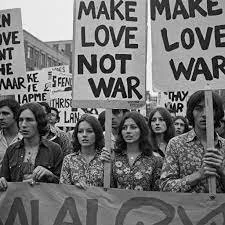
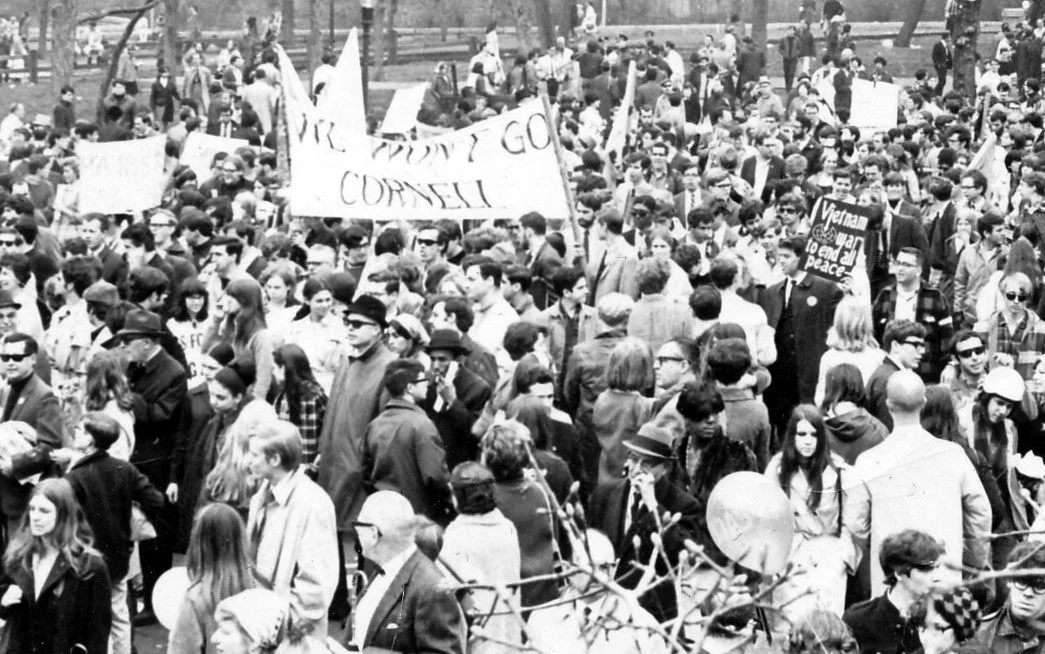
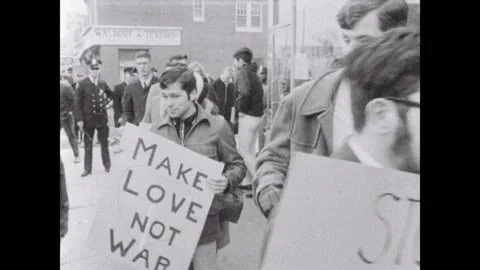
Today, the call for 'Make love, not war' is more urgent than ever. No longer just a historical slogan, it speaks to ongoing issues like genocide and violence in places from Palestine to Sudan to the Congo. Artists such as licataBEAN reclaim this call for peace, making it a necessity for our present moment.
This creative exchange continues today in licataBEAN’s studio. Here, the new piece Make Love, Not War puts a fresh spotlight on the timeless relationship between art and fashion.
Painted in licataBEAN’s signature language of color, texture, and emotional rawness, the piece confronts a world saturated with conflict and polarization. Yet within its expressive strokes lies an insistence on tenderness. It is both a protest and a prayer — a reminder that radical love is still possible even when the world’s fractures feel irreparable.
The artwork is deeply personal, exploring themes of resilience, trauma, and transformation — all hallmarks of licataBEAN’s body of work. But Make Love, Not War also feels communal, like a visual manifesto asking viewers to imagine a world that chooses softness over fear, connection over destruction.
From Canvas to Closet: Inspiring Sustainable Fashion at equalshumans
Make Love, Not War did not remain only a painting. It became a source of inspiration for equalshumans, a project where art and fashion meet not just in style but in shared values.
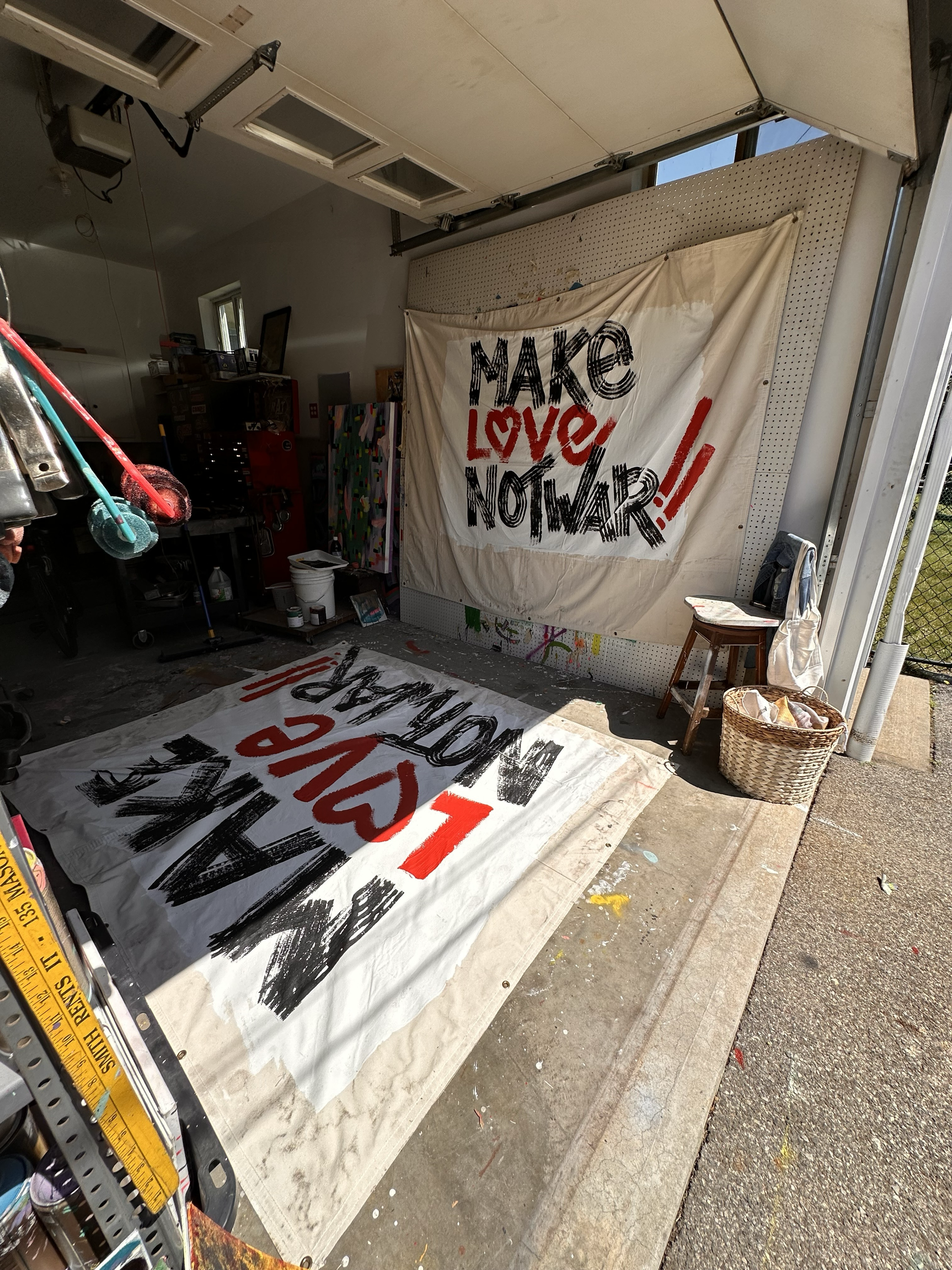
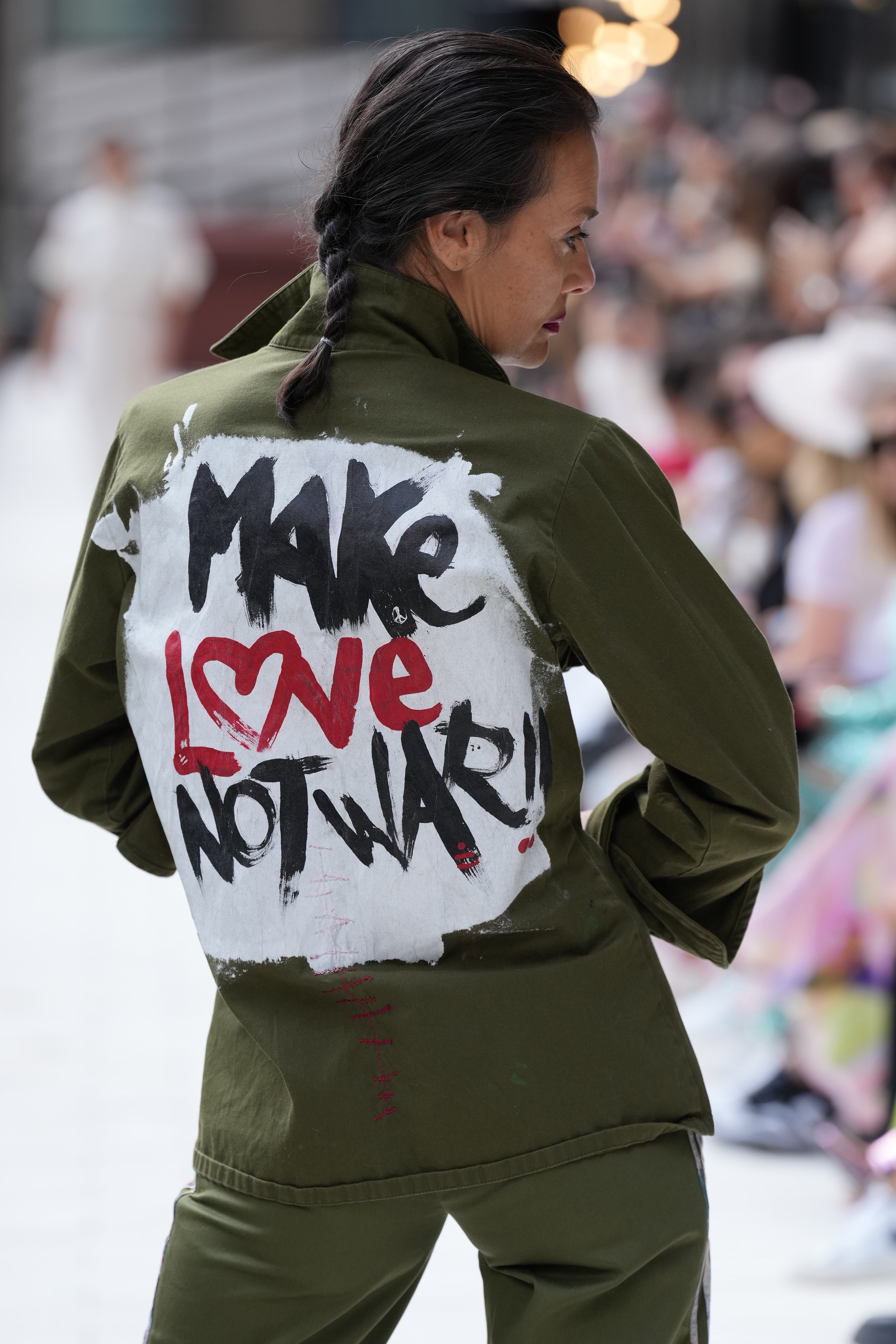
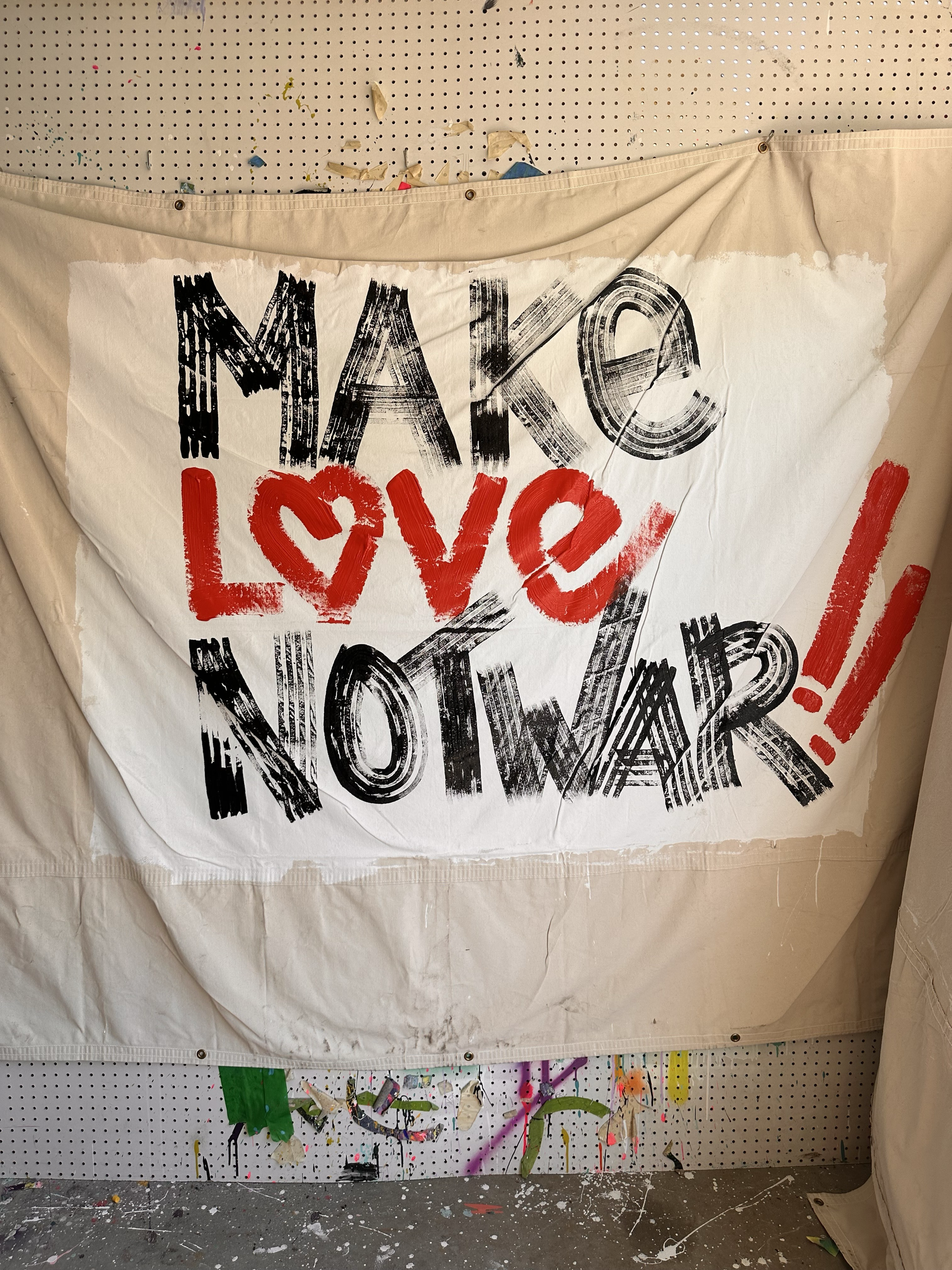
The upcoming sustainable capsule collection at equalshumans draws ideas directly from the painting’s colors, emotions, and themes. Expect recycled fabrics in bold shades, shapes inspired by freedom, and textures echoing the painting’s layered brushwork.
equalshumans’ mission centers on truth, transformation, and healing—aligning closely with licataBEAN’s vision. This collection is more than clothing: it tangibly transmits the artwork’s message, inviting people to wear its call for humanity and turn fashion into activism, dialogue, and living art. The connection thus goes beyond design choices.
Towards a Future Rooted in Empathy
As the fashion world grapples with sustainability, ethical production, and shifting cultural values, partnerships like this highlight what the future of creative industries can look like: intentional, introspective, and boldly human.
Art and fashion have the power to do more than create beautiful objects. The collaboration between licataBEAN and equalshumans demonstrates how creative partnerships ignite cultural movements, shape essential conversations, and leverage creativity as a force for empathy and change.
Make Love, Not War stands as both an inspiration and a call to action. Its message, embodied through fashion, serves as a daily reminder that creative expression is purposeful resistance.
