
Winter on the Streets: The Invisible Health Crisis Facing Unhoused New Yorkers
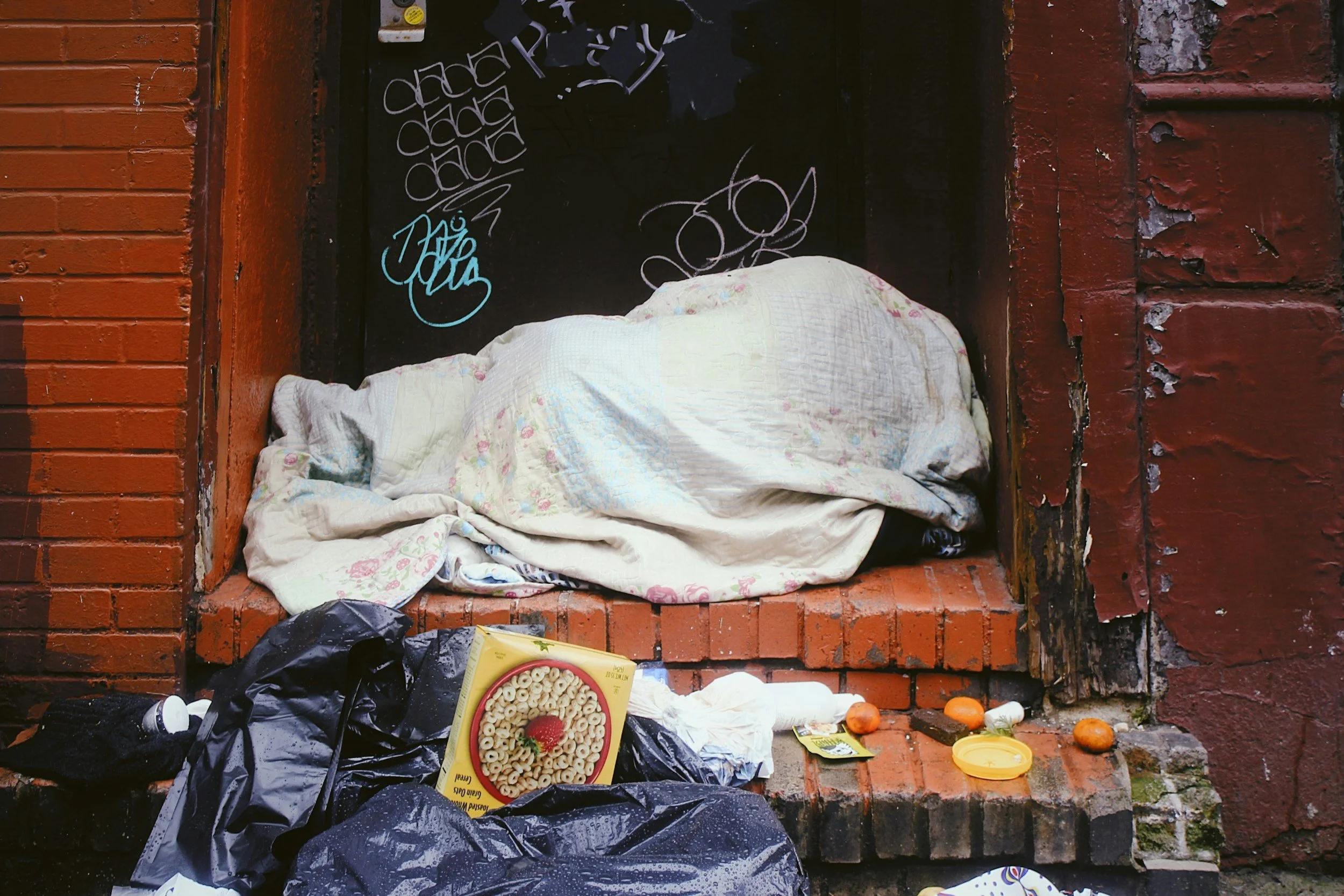
Winter in New York City is often romanticized—snow-dusted streets, glowing shop windows, bundled coats, and warm drinks. But for thousands of unhoused New Yorkers, winter is not a season. It is a prolonged health emergency.
When temperatures drop, the body’s ability to protect itself weakens quickly. Without consistent access to warmth, shelter, nutrition, and healthcare, common conditions turn dangerous, and manageable illnesses become life-threatening. The cold does not simply make life uncomfortable—it accelerates illness, deepens existing health conditions, and strips people of the chance to recover.
When Cold Becomes a Medical Threat
Prolonged exposure to freezing temperatures puts immense strain on the human body. Hypothermia is often the most talked-about danger, but it is only part of a much larger picture. The cold constricts blood vessels, weakens immune responses, and slows healing. Even short periods outdoors can cause lasting damage when repeated night after night.
Respiratory illnesses surge during the winter months. Chronic coughing, untreated asthma, bronchitis, and pneumonia become common as people sleep outdoors or in overcrowded shelters where infections spread easily. Without rest or medication, a simple cold can spiral into something fatal. Skin is another silent casualty. Constant moisture from snow and slush leads to trench foot, frostbite, and infections that can spread rapidly when wounds are left untreated. What begins as numbness or swelling can result in permanent nerve damage—or amputation—if medical care is delayed.
Winter also worsens chronic conditions like diabetes, heart disease, and high blood pressure. Cold weather increases the risk of heart attacks and strokes, especially for people who are already medically vulnerable. Managing these conditions requires stability—regular meals, medication, and rest—things unhoused individuals are rarely afforded.
The Mental Health Toll of Survival Mode
Physical illness is only one part of the crisis. Winter intensifies psychological stress in ways that are difficult to imagine unless experienced firsthand. The constant fear of freezing, losing belongings, or being displaced adds layers of trauma to already fragile mental health. Depression, anxiety, PTSD, and substance dependency often worsen during colder months. Isolation grows as public spaces become less accessible and nights stretch longer. For many, winter is not just about surviving the cold—it’s about surviving despair.
Mental health care, like physical care, is deeply tied to stability. Without it, people are forced into survival mode, where long-term healing becomes nearly impossible.
Why This Crisis Remains Largely Invisible
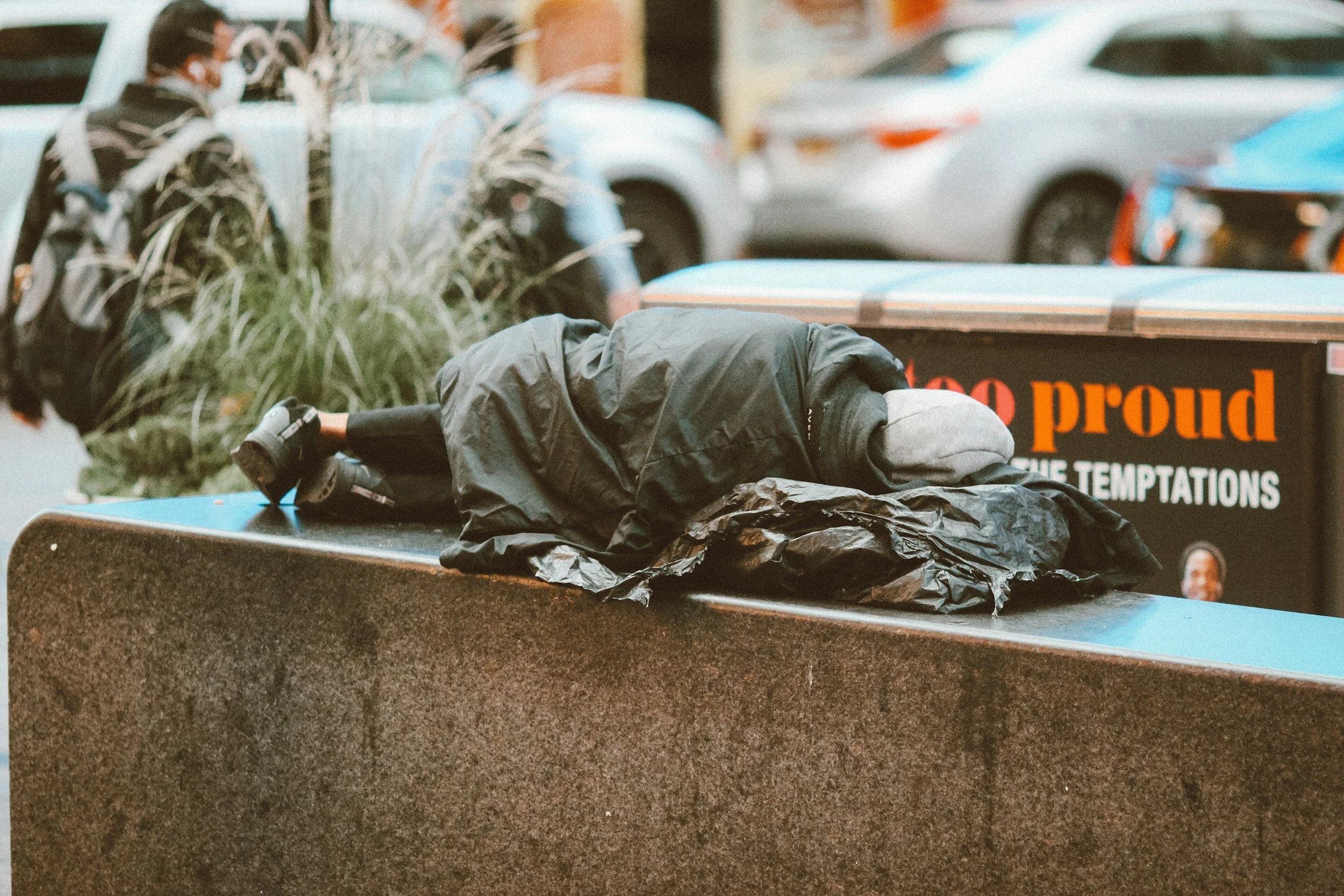
One of the most painful truths about winter homelessness is how normalized it has become. People learn to look away. Illness becomes invisible when suffering is expected.
Unhoused individuals are often blamed for their circumstances, which allows society to disconnect from the reality that housing insecurity is a public health issue—not a personal failure. No one chooses frostbite. No one decides on untreated pneumonia. These outcomes result from systemic neglect, not individual choices.
How You Can Help—Beyond Sympathy
Helping does not require grand gestures. It requires consistency, dignity, and care. Small, thoughtful actions can make a real difference. Warm socks, gloves, hats, thermal layers, and waterproof shoes are not “extras”—they are medical necessities. Hygiene kits with soap, lotion, lip balm, hand warmers, and basic first-aid supplies help prevent infections before they start.
Hot meals do more than nourish the body; they restore warmth, energy, and a sense of being seen. Supporting community organizations that provide food distribution, warming kits, and outreach helps ensure help reaches people consistently throughout the season.
Advocacy matters too. Supporting policies that expand access to safe shelter, healthcare services, and long-term housing solutions address the root of the crisis—not just its symptoms. Perhaps most importantly, treat unhoused people as neighbors. Acknowledging someone, asking what they need, offering respect instead of pity—these moments restore humanity in a world that often strips it away.
A Season That Demands Collective Care
Winter exposes the fractures in our society with brutal clarity. In a city of abundance, no one should be left to suffer in the cold.
At Thanksgiving in Harlem, we believe care is not seasonal—it is a responsibility. Awareness is the first step, but action is what saves lives. As temperatures fall, the question is not whether winter will be harsh. It always is.
The real question is whether we will show up for the people most affected by it.
