
Slow Fashion: Reclaiming time, care, and conscious living
Fashion is accelerating alongside the world around us. New collections come out every week, and trends change in a matter of days. Many clothes are barely worn before they're forgotten or thrown away. Clothing that once carried meaning and craftsmanship has become disposable.
Slow fashion directly challenges this acceleration. It is more than a trend; it asks us to fundamentally rethink our relationship to clothing and consumption, placing value and meaning over speed and novelty. The argument is simple: true sustainability and wellbeing begin when we reclaim care and intention in what we wear.
To embrace slow fashion and its promise of meaningful change, it is important to define what it stands for and why it matters now more than ever.
Slow fashion isn't just opposed to fast fashion; it's a mindset that emphasizes intentional choices and quality over quantity. It prioritizes meaning, fair labor, green materials, and careful design. Slow fashion values transparency and thoughtful purchasing, encouraging us to ask: Who made this? What materials were used? How long will it last? What happens when I'm done with it?
Slow fashion is made for real life, not just buying and discarding. It's accessible to all, regardless of budget, body type, or background. This could mean shopping vintage, supporting ethical brands, or simply buying less and choosing better. Slow fashion returns clothing to its roots: craft, culture, identity, and care.
WHY SLOW FASHION MATTERS
Nothing is ever truly cheap. The $7 shirt, the $15 dress, or the 'buy three get one free' deal only exist because the real costs have been shifted elsewhere, not erased. Someone, somewhere, pays the price.

The Environmental Cost
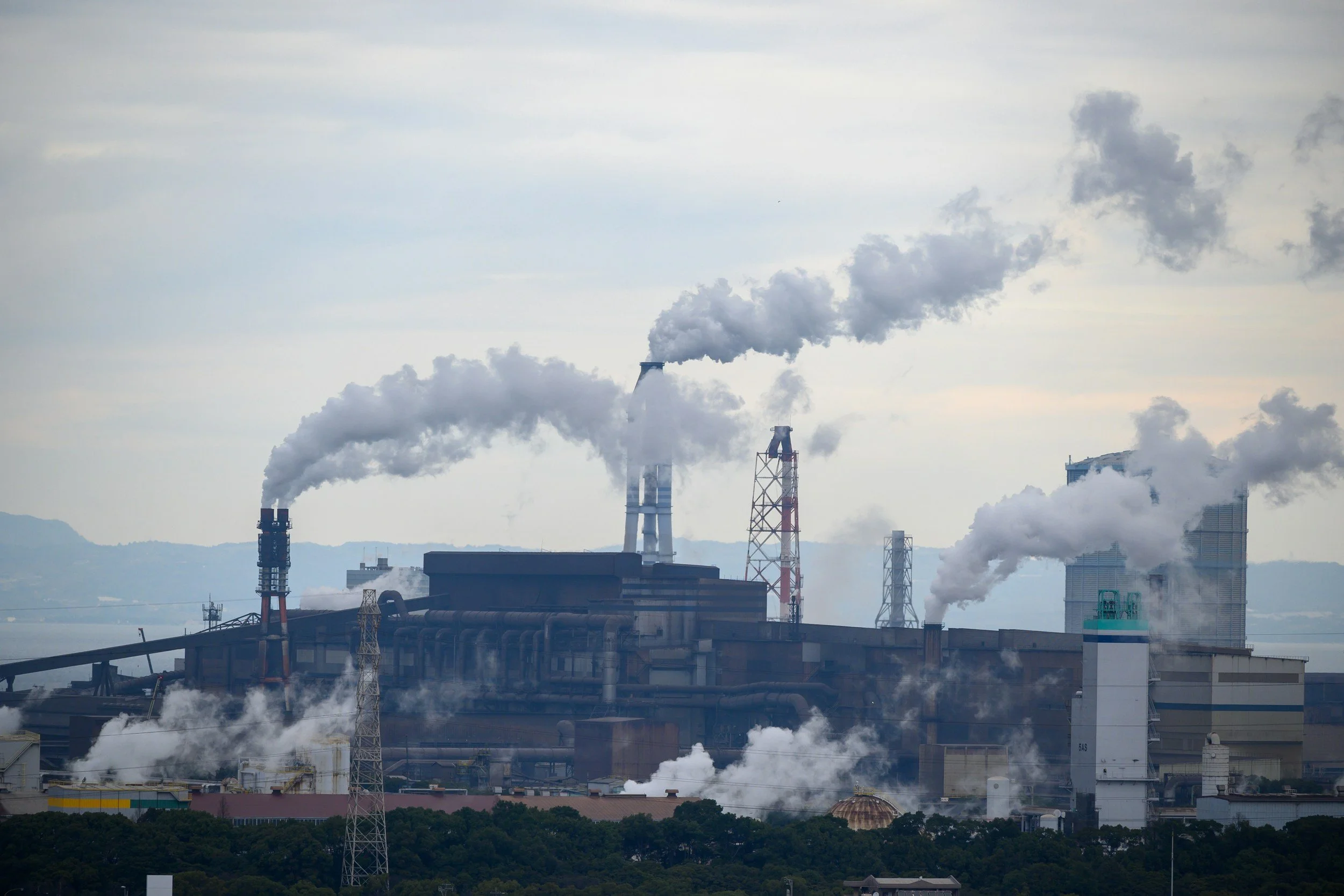
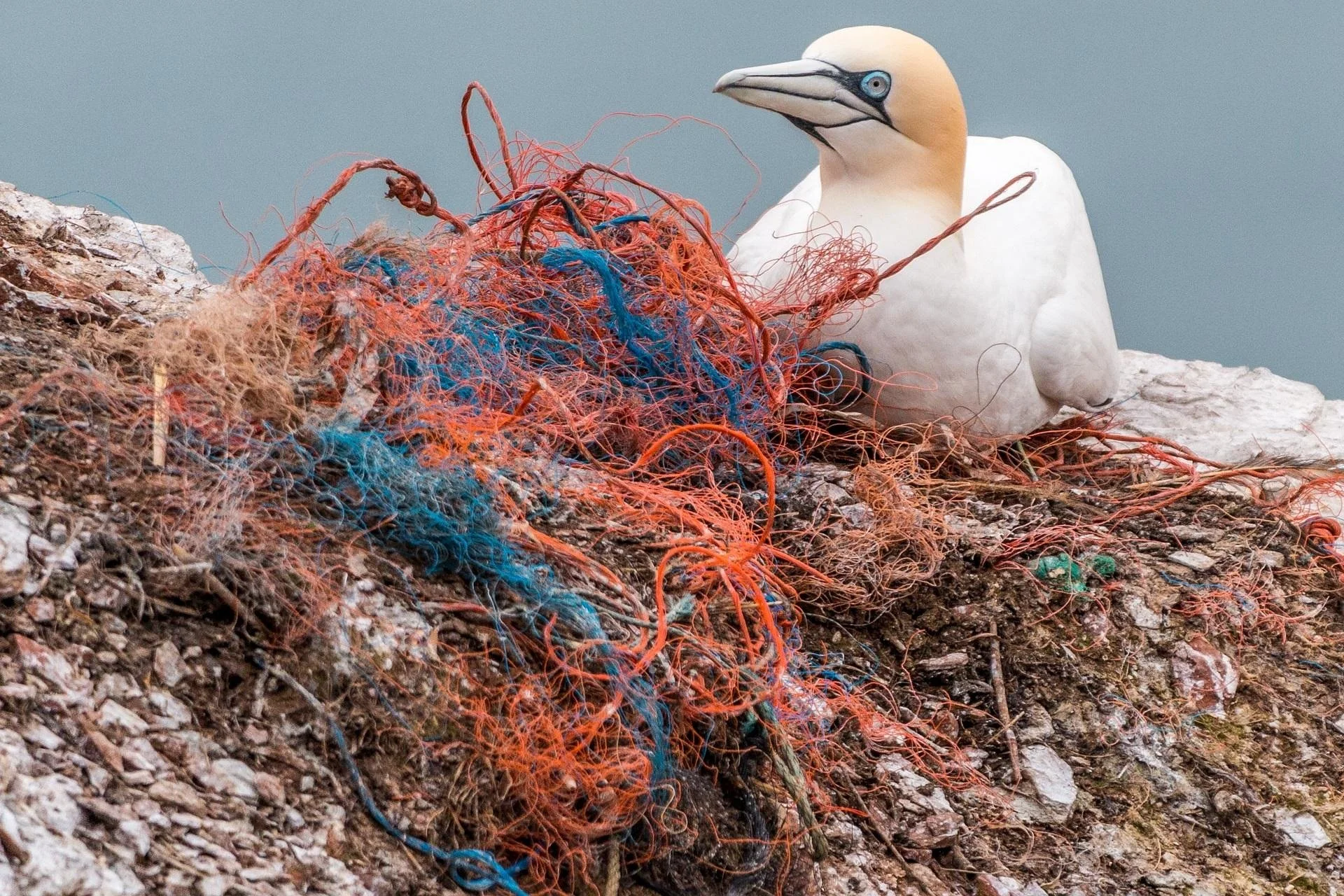
The fashion industry drives global pollution, accounting for about 10% of annual carbon emissions—more than all international flights and shipping combined. Making clothes uses huge amounts of water; for example, about 2,700 liters for one cotton t-shirt. It generates 92 million tonnes of textile waste each year, much of which is burned or sent to landfills, often in countries that don't buy these clothes. Synthetic fabrics release microplastics into oceans. Mass production increases waste.
Slow fashion breaks fast fashion’s cycle by promoting fewer, higher-quality garments worn longer. These actions reduce environmental harm, as a single well-made piece worn for years is much less impactful than many disposable items.
The Human Cost
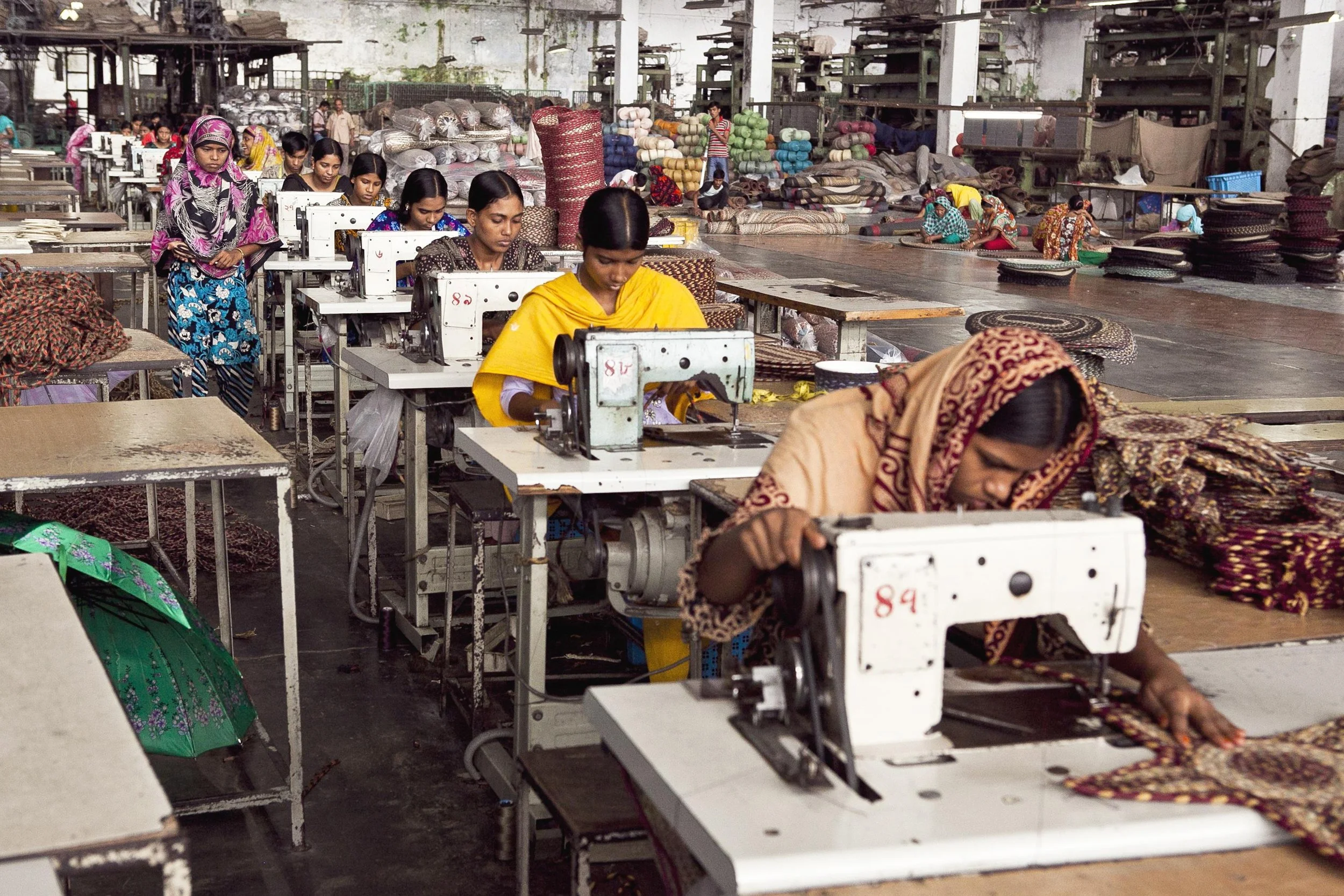
Behind every garment, fast fashion frequently depends on unfair labor practices: workers are underpaid, work in unsafe conditions, and supply chains are hidden from consumers, making it hard to see how clothes are really made.
In 2013, the Rana Plaza collapse in Bangladesh killed 1,134 garment workers and exposed the hidden costs of cheap fashion. Slow fashion restores visibility to fair pay, safe work, and skilled craft, making clothing personal and worthy of respect.
There is another cost besides environmental and labor costs: the loss of traditional skills. When fashion moves too quickly, old arts like weaving, embroidery, tailoring, natural dyeing, and pattern-making lose their value. Skills handed down over generations can no longer support families. Communities lose their cultural traditions. By focusing on quality, slow fashion also helps protect these important crafts.
The Psychological Cost
Fast fashion creates a cycle where you buy something, wear it, move on, and repeat. This leads to constant pressure to keep up and stay current. Studies show that buying too much may cause anxiety and a feeling that nothing is ever enough. Slow fashion encourages building your wardrobe thoughtfully and connecting with what you wear, lessening stress and supporting authentic expression. Owning fewer, well-chosen clothes can benefit your psychological health and the environment.
The clothes we wear link us to global supply chains, the environment, culture, and the lives of workers. Even small choices for slow fashion matter; cherished garments can hold stories, memories, and a sense of belonging, making them an act of solidarity. It’s not about being perfect; it’s about taking part.
CLOTHING: A PHILOSOPHY OF LIVING
What makes slow fashion truly powerful is that it doesn’t stop at fashion.
Slow fashion reflects and shapes a wider way of living. Its main ideas—care, lasting value, fairness, openness, and craftsmanship—appear in many aspects of life. Once you observe this, you can see the connection everywhere. Slow fashion and the slow food movement have a lot in common. Both push back against industrial systems that ignore quality, nutrition, or beauty. They encourage us to know where things come from, to respect the people who make them, and to choose quality instead of convenience. Just as local, seasonal, and ethical food matters, so does choosing clothing made with care and thought.
Design & Architecture
The ideas behind slow fashion also apply to how we build and live in our spaces. Sustainable architecture is about making things that last, using local materials, supporting small-scale work, and avoiding a throwaway mindset. What we live in, like what we wear, should be made with care and meant to last.
Mental Health & Wellbeing
The simplicity of a capsule wardrobe is part of a larger idea: being thoughtful about what we consume. Slow fashion questions the notion that more is always better and instead asks, what is enough? This way of thinking can shape how we design our homes, choose our food, use media, and approach technology. It’s about choosing fewer things, but making sure they truly fit our needs.
Rights & Social Justice
Slow fashion is closely tied to the fight for fair pay, safe workplaces, and respect for workers. It is a feminist issue because most garment workers worldwide are women. It is also a racial justice issue, since the countries that produce most fast fashion—and deal with its waste—are mainly in the Global South. Choosing slow fashion means seeing these problems clearly and refusing to support them.
Art, Craft & Cultural Heritage
Every traditional textile craft, such as Banarasi silk, Oaxacan weaving, Kashmiri embroidery, or West African kente, is a world of knowledge, identity, and art built over centuries. Slow fashion helps these traditions survive and grow rather than disappear due to low prices. Buying handmade items helps keep these living arts alive.
Time as a Resource
Most importantly, slow fashion changes how we think about time. Fast systems see time as something to speed up—making, delivering, and buying faster and faster. Slow fashion sees time as something to respect: time to make, time to choose, and time to care. It reminds us that not everything important can or should be rushed.
MOVING TOWARD SLOW FASHION
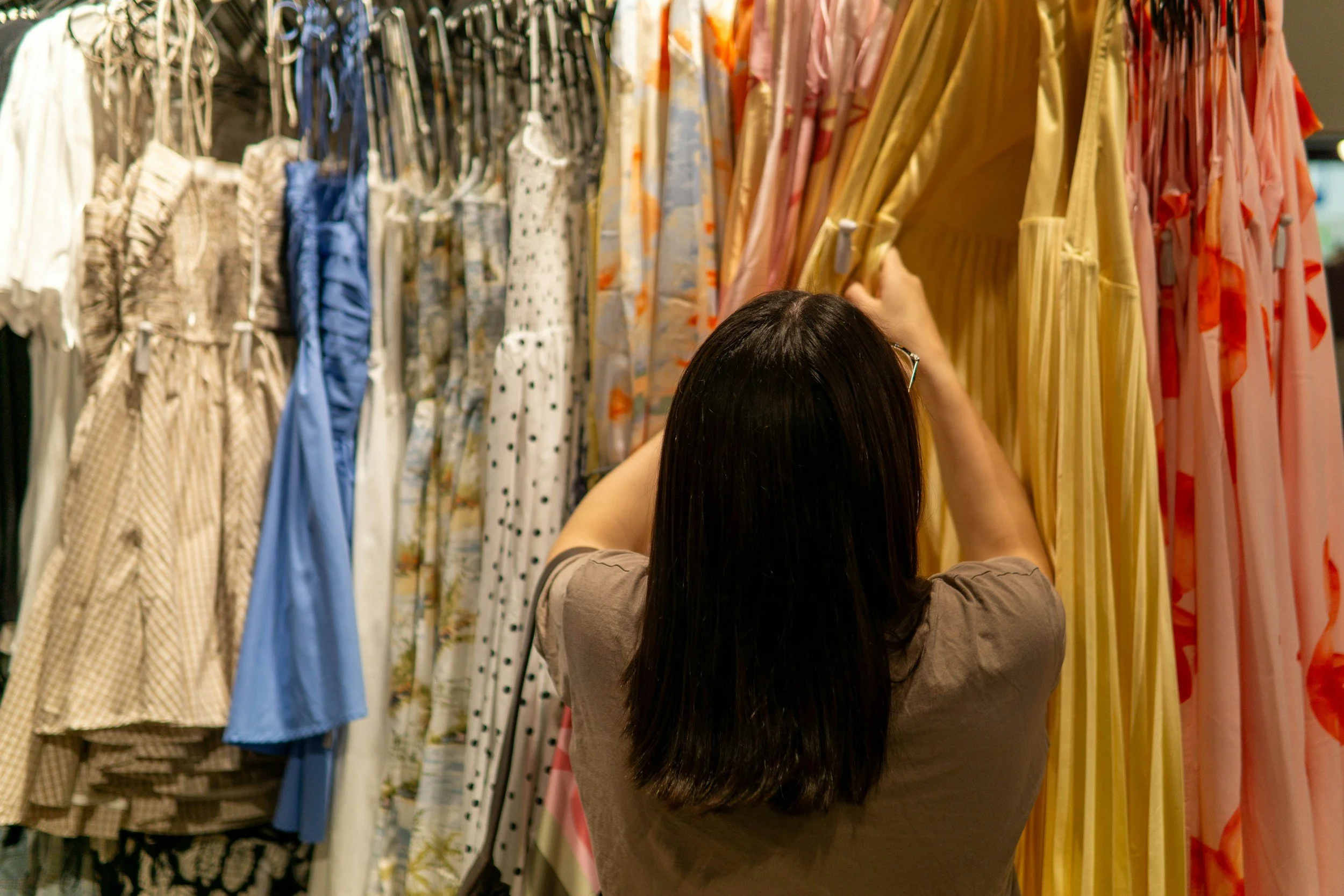
You don't need to overhaul your life to embrace slow fashion. Start today: choose to buy fewer, higher-quality items, support ethical brands, and wear and care for what you already own. Every intentional choice you make strengthens a new way of relating to clothing and helps build a lasting community based on value and care. Take the first step—slow fashion starts with you.
A RETURN TO MEANING
Fashion has always been political. The cotton fields that created empires. The sewing machines that droned as the workers moved. The uniform as resistance. The garment as grief. The fabric belongs. What we wear has never been merely aesthetic. At its core, slow fashion is about restoring meaning to what we wear and how it's made. When we pause and reflect on our choices, our impact and values become clearer. At that moment, fashion regains its deeper purpose. Not disposable. Not fleeting. Genuinely human.
Join equalshuman, a slow-fashion brand and community, and take the next step toward conscious clothing.
